If there's government communicators that are, are skeptical on AI, unsure where to start. What's the, the first thing, what was your first thing? Was it an email template? Like, that was mine, it was email template. Help me word this email template. What would you recommend Well, I would go back to my toe in the water advice and just. Fill that prompt box with three paragraphs about your situation at your municipality, and your concerns and your goals. Give it every bit of context you can and say, how can AI help me? What are the tools I might use? Help me think this through. There's no better expert you could ask. This podcast is for city communications teams and video professionals in government. We talk about expanding service delivery with video and streaming, media accessibility, gear, broadcast and streaming workflows, and more. It's all right here on the Government Video Podcast.
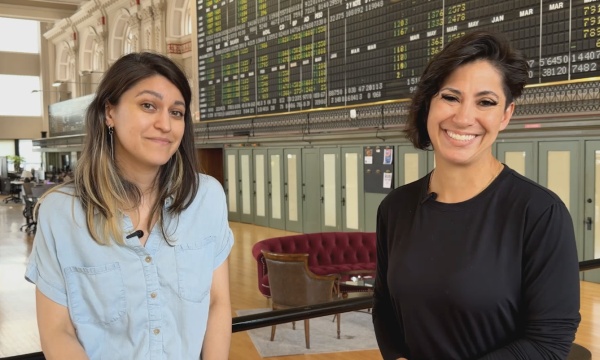
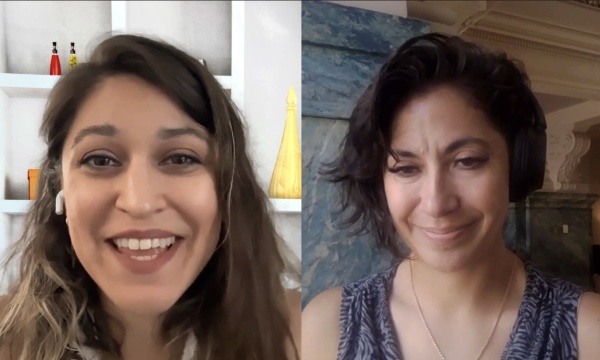
Hello and welcome to Government Video Podcast where we explore how government and PEG stations use video media and technology to inform, engage, and serve their communities. I'm Dana Healy, your host for this week. In this episode, we're joined by Eric Archer. Emmy award-winning television producer, executive director of 1623 studios and generative AI video production expert. He has an extensive AI portfolio working with generative ai custom GPTs, and his goal is really to shrink that gap between imagination and output. Today we'll learn how AI can be adapted for storytellers, small television stations, and communication departments. So Eric, thank you so much for joining us today. Really excited to have you on. Always a pleasure to talk to you, Dana. So, your background video production, Emmy award-winning television producer. How did you get this far into the world of generative ai? Well, you know. As you know, working in television you are always looking at the next technology and the next trends as what to look out for, what to learn about, what technology to adopt. You know, whether it's the old SD to HD or everyone getting cell phones or DSLRs or whatever the disruptive thing was, green screen, you know, it's always something. And so, AI came along and it was just one more thing to learn on some level. But then once I started to play around with the tools, I realized what a big deal they were gonna be and started to get really serious about learning. Every day. And so really that's been my main job the last couple years as I've seen it, is just to learn about this stuff. So fortunately I find it really interesting and it's easy to spend time playing around and learning with these tools. They're a lot of fun. I. That, that's awesome. Especially when you, you, you have like a, an innate interest in it already. So in my experience with ai, like I, I try to use it to, to solve specific problems. Was there a specific problem that, like you had that aha moment when you were working with the tools? Yeah, it was um, you know, processing creative briefs. It, I realized that I could do that a lot faster. And I could see, you know, using large language models, processing information was gonna be much easier. And then I could see that the generative production was coming, you know, soon we were gonna be able to generate. A lot of the early stage ideas as images and videos, and it was like, wow. Not only can I do some of the early development ideation work much faster with the help of LLMs, but soon I'll be able to make stuff with these generative tools. And the, the convergence of those things was like, whoa, you know, I can be much more prolific as a creator or a leader of producers if I can figure out these tools. Yeah, just starting with the pre-production process. I remember going through like. So many clips to find those little sound bites, right, for like the news reports that you would do and all things like that, that would take so much time. So now you're saying that you use that part of your pre-production process as well as layering on all these different, you know, production tools that we can, we can get into as well. But that must save so much time for you and your team. Yeah, I mean, it's really all along the production workflow now that there's little or big ways that we utilize AI to find efficiency, time savings or do more of something that's going well. Things like that. I mean, it's not, you know, one thing, it's a whole bunch of things depending on where we are in the, in the production timeline. Yeah. That's awesome. Let's talk a little bit about storytelling. 'cause I know that you know your heart's in that storytelling. so you've said in, in previous talks that AI has unlocked individual creativity. How has your storytelling shifted in this world of ai? So many ways. I mean, there these tools are just so empowering. You know, if you have an idea, the the path to executing and outputting that idea is. Really short now, when it used to be prohibitively long, if not impossible. You know, if you had an idea, you, you needed so many things, you needed proximity to big markets and you needed connections and equipment and expertise and stuff, and like, you know, now you can do your learning on your own. You can do your creating without the help of a expensive DP or a fancy camera. You can edit all on your own. Distribute all on your own, get noticed all on your own merit and ability to promote yourself. I mean, these are all things you can do on your own. And suddenly, if I want to tell a story, I can just do that. I don't need anyone's permission. I don't need to ask anyone. I don't need funding. I don't need anything. I can just go and create and participate in the world as an artist. If nothing else. So I just think it's exciting for, for people who have had a creative itch before but felt sort of, discouraged that there was no real utility to scratching it, you know? I think that's changed quite a bit. Yeah, there there's zero gatekeeping. Now there's really like no excuses. Like if you wanted to make that thing that you always wanted to make it like this is it. It's like a wide open possibility. Um. Open call to creators ever. I think. Yeah, absolutely. we're all creatures of habit. Do you foresee creative folks changing their workflows? Are you seeing easy adoption around this tool I mean, if you are a creative and you're not really fluidly able to change your workflows in an instant, you're gonna struggle because the pace of change requires that fluidity. to the point where now I have had a, like a paid client side project making a generative piece, and I have been so compelled by a new tool, I've switched tools, mid project, which would be like. Suicide normally. Like you're gonna just try a new thing, mid-project. Are you nuts? But it worked better and it was just like, wow, this is better, faster, and it's right there available to me. And, and so it's, it's fluidity within an, within a project, if that makes sense. Let alone over the course of a year or several years. You just have to have that willingness to kind of roll with things Now. You know, putting all your eggs in one basket is a bad strategy. Absolutely. So having that, that flexible mindset to be open-minded and curious too, I've noticed that having curiosity while approaching a lot of these tools helps, so some, some of our listeners and our viewers they may not have total context of the, like, the limitations or lack of limitations that these tools can have. What applications are you seeing around, whether it's editing or video or writing sound effects, things like that. Can you give us some concrete examples? Sure. I mean, it's you know, LLMs are super helpful in the early stages. You know, as you're planning things out things like scripts and storyboards and shot lists and those kinds of things, Dolly will make a pretty good storyboard for you. And, then within a lot of commonly used software that, that we're all already using, they're developing a lot of AI features as well. You know, Adobe Premier is always introducing new features like the B roll extender or the drag the end of the song to the length of the video so you don't have to cut the music down. In painting and all, so many different things. I mean, it, you know, it's, it's getting harder and harder to determine what we would need to go shoot versus generate in a lot of cases. And then the editing workflows are, are blowing up. I mean, you know, we used to just, I used to think I'd be in premier. Until the end of my career and, and now it's very project specific. It's like, well, maybe since it's a podcast edit, we should use DS script. Or maybe since it's a mobile thing, we should use cap cut. Or like, you know, being being open to try these new things that are on the scene and disrupting longstanding um, you know, program. It's across the board helping us do more, better, faster. Yeah, absolutely. So you mentioned a couple platforms like Descript and some other things. What are your favorite AI platforms and for like specific functionality, like, you know, we all have our favorite things. I am my go-to at, at the early stage of anything I'm doing is chat, GPT. I've been working closely with chat GPT for long enough now that I have a real sort of shorthand with it. And all the, you know, ways you can get it to know you and things like that. So that's always a very productive exchange. And then that will typically because of the work that I do, lead me into the image generation space where, you know, I might be trying to put a presentation deck together or a video together or something like that and need some imagery. So I'll pretty typically go to mid journey. For image generation, that tends to be my favorite, although that's being challenged by things like runways, image generator, and some of the other ones that are you know, depending on what you need, if you need like realism or something, you might go somewhere that's better at that particular thing. But mid journey tends to be my go-to there. Runway has been my go-to for image to video. Leonardo has been my upscale and then premier typically. For editing and 11 labs for audio UIO for music. So it's a whole suite. I, and I think that's important for folks to know is there, it's just like tools in a toolbox, right? And there's specific ones for specific functions. And although chat, GPT is also one of my favorites for like generating plans and ideas and helping noodle through things, it's, it's, you can't always use a hammer. You gotta use all of the tools. That's absolutely right. And so, and these days you can make your own, which is wild. Custom GPTs are things that I make that are my own little tools. You know, it's like we're back to that stage of like, you know, the blacksmith era or whatever, where you're like, you know, hammering out your own tools to use, you know, that's kind of what it feels like. That's very cool. That's a good analogy. So we both have come from video backgrounds and through the lens of public education and government television. Have you had a chance to speak with like our other colleagues in this industry about the impacts or like the benefits of AI and how is it being received by our industry? Yeah, I've um, made it my mission to speak about this a lot. I think it's really important that the PEG industry and and regular citizens learn about this stuff. I think PEG could play a big role in AI literacy. I. At the local level. And there's, you know, of course you'd ex as you'd expect, there's a lot of apprehension and then some people who are sort of, leading the charge. And it's all understandable. I mean, there's really legitimate concerns about this technology in, in a lot of different directions. And I think a lot of people are just generally afraid of change, but, um. I think that there's, this is as I see it, just a major resource gain. And we are all nonprofits. We all need resources. And that's how I look at this. Like this is the resource gain and whether I'm trying to write a grant or make a video, there's tools available to me now that there weren't before that can help me do this. Yeah, that's a, a great view of looking at this is like, it's a new frontier, right? So if somebody's tentative in adopting AI into their work, but they're still curious, how would you recommend that they go about it? Like, get the, you know, dip the toe in. Yeah, I mean, I would just go to chat, GBT, you know, use the free version if you don't have the paid version and just bring it. Whatever it is you are currently thinking about, whatever it is you are currently challenged by, or an idea you have or something like that, that you would bring to a person. If that person was going to be a great person to talk to about this thing, you know, and then treat it like a conversation like that and treat it differently than you would treat a Google search where you might put in the least amount of information upfront. Put in two or three paragraphs upfront. Of contextual information about this thing that you're thinking about, and then just follow that thread. Go down whatever rabbit hole you want, you know, but it will be an area that you are interested in and you'll start to see where chat GBT can give you value back because inevitably no matter which, which direction you go, you'll have an aha moment within 20 minutes of like, whoa. That's really awesome. I didn't know that before or whatever. So that's my general advice is um, you know, point it at what you're interested in because that's where it's gonna be the. Awesome. \ So a, a big portion of our audience is, is government, local government specifically, how do you see AI transforming the way government handles video content or public communications, what additional efficiencies do you think they could pick up similar to PEG stations? Well, I mean, I think about the amount of information that's coming out of any municipality for the residents to process the amount of information that's passed that's still relevant and all of the information that's coming out at all times and how to, you know, our job has. Always been to try to figure out how to bring that to people, in a way that's valuable to them. And, and we've tried a number of different things to process this stuff and deliver it, whether it's through apps or, you know, different mechanisms of breaking down these long meetings in the digestible chunks for people. And informing the general publicI mean if we can Harness these tools to leverage this really valuable information we have that oftentimes doesn't find its way to the people that need to know it. I think that that's a great thing, you know, really contributing to civic engagement and community information. By doing things like you know, AI is great at processing huge amounts of text, so it doesn't, you don't have to think too long about like how you might use that. Like the transcriptions of a three hour meeting is quite a bit of text, that it would be nice to have a machine process and write an article about maybe if the town doesn't have a lot of reporters just as off the top, you know what I mean? So, certainly things like that and making information more readily available to residents through chatbots seems like a pretty easy thing to do. Things like that. Yeah, that's great. Like meet analysis of meetings or summaries of meetings. Another one that I've seen a lot of, I shouldn't say a lot like people are starting to use it, is sentiment analysis on a lot of community engagement polls. So, I mean, you think thousands of responses of what you think of. People's parks or the content that's on the public access channel or whatever it is, and then processing all of that in what would take multiple days now, 20 minutes maybe. Yeah, I could see municipalities looking at data. They sit on as valuable too. I mean, it might be a lot of information that AI is blind to right now. I. Now that could be valuable to them. Yeah, it's, it's a fascinating space and, and honestly what I get excited about is look, how can you tell more stories that way? You know, can you funnel these municipal transcriptions into content engines and things that inform people through articles and social media content and videos and things like that. So. Do you, is is storytelling for you, it, it seems like a, a way to connect information to the people. Is that like your main drive at this and AI is like the machine that's helping you get there faster. Yeah, I think so. That's an interesting way to think about it. I hadn't really ever framed it that way, but that feels right. You know, I'm always just following my curiosity and trying to understand things and I find that I understand them better when they're like made outta pretty pictures and sounds, you know? And so, that's kind of what I get excited about doing with any kind of information. You know, there's. Really valuable information in a three hour long municipal meeting. But are you gonna be able to stomach sitting through this thing? No, of course not. But if I make some exciting, entertaining wrapper for that information, there's a much more likelihood that you will absorb it and see it in the first place and care about it and share it and things like that. So yeah, that's what I like to do. That's cool. I like that. So let's, let's put our little toe into a little bit on the AI ethics here. Okay. So, especially in government what, what is your take on whether AI generated content, whether it's video or press release, should be like annotated, that it is AI generated? What do you, what do you think about that? I. I think that you can't go wrong with transparency, you know, especially around this stuff. I think we'll probably start labeling things as made by humans as as the credibility thing, and. AI should be labeled also. I think it's a, it's a healthy practice to list platforms you use to make something and be really transparent about how you're doing it. And then I think that there's a use for automated content all the way to exclusively human made in the, and the whole spectrum, depending on what you're trying to accomplish, you know? Yeah. I think that's a cool take. I never thought to like, this is human made, because, you know, that's the default. But you're right. Like everything. Things getting flooded with like the quantity of content right now. So on that too. I know. be madness, you know. What do you, what do you think about the quality of content? Like, can we talk a little bit about that? We're getting, everybody's got the tools and if everybody wants to, they could just start hammer away and, and flood, flood with content. Do you think we're gonna see a depletion of quality work? I, I think, no, I think we're gonna see a major leveling up of. The quality of work, honestly, I think uh, there'll be a lot of poorly thought out stuff that looks great because it's really easy to make like a really high fidelity, cool looking novel thing now. So you can just go in and with no expertise, type in a prompt, or they'll prompt you to prompt it and then spit out the image that looks amazing. And you could be like, ta-da, and impress people for the moment. It'll be, anyone can do that now, and that's gonna continue to tick up in terms of what anyone can do. And it's getting pretty freaking wild what anyone can do with no experience. So that that's gonna continue to just push the baseline up, you know? And like, so then you're gonna have, you know, like your boring PowerPoint. Suddenly the visuals are gonna be otherworldly, you know, and it'll kind of be proportional to the talent I think. So if you have a really talented artist and they're using these tools, their work's gonna be incredible and very distinguishable from the amateur using these tools because, you know, it'll still be proportional to the talent. I think it, it might be a different talent set because you have to now kind of ate these different, programs instead of like go shoot and edit so maybe the skills are, they're transferable, but not identical, So yeah, so that's kind of, my take on it, I guess. Lost the thread a little bit. That happens a lot when I'm talking about this stuff. That's great. So just proportional, leveling up. Yeah, because you're, you're right, everybody is, we all have access to all of this so it makes sense that, you know, the talented will still continue to rise. So kind of circling back to our government audience, if uh, there's government communicators that are, are skeptical on ai. Unsure where to start. What's the, the first thing, what was your first thing? You know, like was it an email template? Like, that was mine, it was email template. Help me word this email template. What, what would you recommend Well, I would go back to my toe in the water advice and just. You know, fill that prompt box with three paragraphs about your situation at your municipality, and your concerns and your goals. You know, give it every bit of context you can and say, how can AI help me? What are the tools I might use? Help me think this through. You know what I mean? There's no better expert you could ask. Yeah. And that's how it works. And, and, and every detail you add, it will improve the output. You know, garbage in, garbage out. The opposite is true. If you put in gold, you're gonna get gold back. So just the easiest way to do that is use the microphone button. Sometimes I'll be like, oh my God, it's gonna take me so long to explain all this and type it all in. And I'll be like, okay, I'll just click the microphone and I'll say everything I can think of and I'll look at it and it'll be like two paragraphs of stuff. Like there was not that much I. As I thought, you know, It feels like a lot though. it does, but it's not, typically, it's a couple paragraphs, two, three paragraphs of stuff and then you'll be blown away by the advice you get back. You'll be excited to follow it 'cause it'll make sense to you immediately. You know what I mean? So that's how I would recommend going, you know, don't ask me, I don't know anything about your municipality. You know what I. um, But. It's amazing. Like it does, like learn and retain and it learns you, it learns what's important to you. Like you, like you said, like training. You can train GPTs to be really specific, to solve specific problems. Like there's just so, so much that could be done. so, I like the custom gpt because you can. It's essentially like if you figure out a prompt that works for you, you just can bake it into a custom GPT and then that's available on demand to you as a tool. That's one way you can think about that, and that's what got me excited. It wasn't an email thing, it was, Ooh, I could make this little custom GPT with the $20 a month subscription, and it just puts a wrapper around my prompt that allows me to just run it on demand, which I thought was really powerful and exciting. So how many custom GPTs do you have? Um, Somewhere around 200, I think. 200. Oh my gosh. I thought I had a lot. That is nothing. I, I mean that, that's great. That's really cool. how do you keep 'em all of 'em. I use a, I use an infinite whiteboard software called Whimsical that I really like because it sort of just allows you to just throw everything up there. I just put text up there and you can put a, make it a hot link uh, hyperlink or whatever. And so you essentially have your own platform. Like you just put it all up there with link to all your GPTs. And then you can go to this visual interface that you've made yourself and link out to whatever one you want to use. So it'll be like, here are all my creative ones, you know, my prompt writer or whatever. And so I'll just, it's easier for me if I have a visual interface especially with so many chat. GBT was just not a good place to like operate from. I had to have my own thing, but this was just like a blank slate. Worked really well. I. That's a great idea because you're right. Chat. GPT doesn't have a really good organizational system. I, I don't know why it's so hard, but Yeah, check out whimsical. It's really cool. It's free. okay. Yeah, Yeah. And you can share a link to your page, which is interesting. So I've made a bunch that are like public facing and I can share a link and people are actually paying for that, which is crazy. Like I'm not even incorporated. I don't know how to code and people are buying my tools. the weirdest time ever. It's this, but it's what it is. It's like the, the sky's the limit right now. So that's, that's how we need to look at, at all of these new tools. so Eric, you've been speaking a lot on ai. Where can people find you next? Uh, Well, I've been putting all of the talks and stuff on my website. I have an AI portfolio site called cga creative.com, and that's talking about AI has sort of become something I'm really, I. Getting passionate about mainly AI literacy and helping people get started, get going, you know, reduce some fear around it. I think it's really the most important thing you could be doing for yourself today. And I want people to understand that. And so I'm gonna be talking a lot about it on LinkedIn and in person and putting everything I can on my website and, you know, yeah, just continuing to sort of try to lead the charge around uh, individuals getting going, getting creative with it. Awesome. I love that. And thank you so much. It's always a pleasure talking with you and this is such a cool subject matter. So I mean, I, I love it. So thanks so much for coming on. Pleasure, Dana. Thanks. If you found today's episode helpful, do us a favor and share it with your colleagues or anyone working in local government, media, peg or accessibility. Your support helps us spread ideas and make a difference in the community that we're engaging with, and don't forget to like and subscribe and leave a review where you get your podcasts. As always, thanks for listening and we'll catch you on the next one.