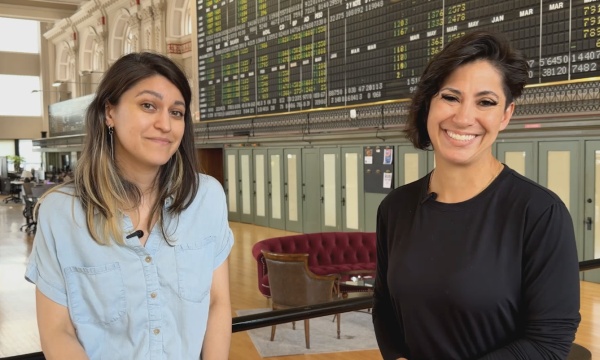
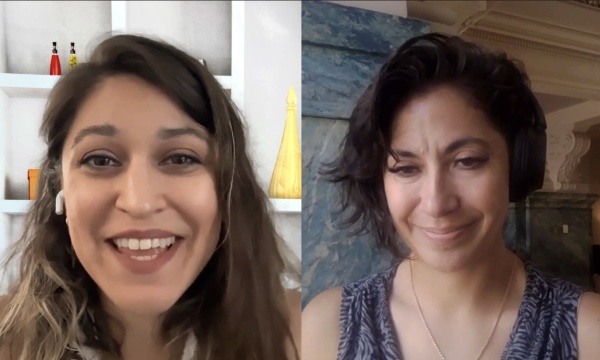
The thing that's I think, really unique about community media is that we may take many forms, but that object, that service to of community, empowerment of community is like a common thread that binds us all together. Yes, that's really the importance of having a day to bring our attention to the existence of using media to educate and strengthen your community. Also to provide, community safety and other things like that because I think we can easily forget, we can easily get distracted because media seems so available, right? The tools to make it seem so available and the presence of it coming at us is just, it's, it's omnipresent at this point right now. This podcast is for city communications teams and video professionals and government. We talk about expanding service delivery with video and streaming media accessibility, gear broadcast, and streaming workflows and more. It's all right here on the Government Video Podcast. Hello and welcome back to the Government Video Podcast. I am your host this week, Michelle Alimoradi. Here on the Government Video Podcast, we talk about all things video first communications in government. So if you're in government communications, IT, AV, this is the place for you. We cover topics that are up and coming, like AI in government communications, how to use it ethically and efficiently. We have been talking a lot about the accessibility regulations that are coming down the line in early 2026 for a lot of cities, and today we're talking about something that's very near and dear to my heart, which is community media. So, historically, these community media stations were cable access stations, public access, educational access, and government access. And as the technologies have transitioned and we see video delivery in a lot of other ways besides cable this community media term has been expanded to include, we've got community radio stations, we've got a lot of other media based community development organizations that come in under that umbrella and do a lot of similar work and you might be asking, why are we talking about this on the podcast here today? And that's because if you don't already know, if you don't already experience this firsthand, a lot of these community media stations are working in tandem with your government comms team or actually a quasi government department and are serving as the media arm for government communications. So if you are not taking advantage of that in your city, when I get into it with my guest here today, we'll talk a little bit more about how you could be taking advantage of that and today, why are we talking about community media? Well, Community Media Day is coming up on October 20th, and it's time to talk about all the great things that community media does in cities across the country, and how we can partner with them and support them. So today on the pod, we have guest Mike Wassenaar, who is the president and CEO of the Alliance for Community Media and its foundation, and he advocates on behalf of community media operations before the FCC, Congress and state legislatures. And Mike supports the educational and professional development of community media operations across the United States. Mike has also worked in community media for 30 years, so pretty long tenure in both radio and tv, and he got his start working in youth radio, which we have in common. And prior to the alliance, he served as executive director at SPNN in St. Paul, Minnesota, where he was building projects supporting digital literacy, youth development, and media empowerment, diversity and community voice. All great things that I'm excited to talk more about today. Mike currently lives in the Washington DC area. Thanks again Mike for joining us. Welcome Great to be here. Thank you so for inviting me, Michelle. You were one of our very first guests on the podcast. You were helping us get out the gate. It's great to have you back. I'm glad I, I passed the test and, and got visit, Yes. You were approved. Well, so. Happy Early Community Media Day. Happy Community Media Day to you and everybody who's joining us here today. It's a celebration that's been going on now for almost a decade. It got started as a result of it's the brainchild of a woman who was doing media work in Brooklyn Elise, who worked with BRIC at the time Brooklyn Elise is great. Shout out to Elise. And it's interesting because originally it was meant to be about a celebration of free speech. Because it occurs during what is nationally recognized as Free Speech Week in America which is October 20th through the 26th. Every year there's a celebration of, of free speech in the United States and political, religious, artistic expression that is unhindered by you know, go government suppression. So originally the thought process was, well, let's, let's celebrate free speech. And, in conversation with Elise, gosh, it was, it's like the summer of 2016, I asked her to think a little bit about, all of the things that community media does and can do because not all of them are related to free speech. Certainly free speech is a, is an important part of the work that happens across public educational and government television channels. But it's not everything that happens. There's all these other aspects of community empowerment, civic education youth development building understanding amongst, populations within communities that we wanted to try, try to get sort of the, a big tent, if you will, of all the folks that do community media work around the United States. And the thing that you, you allude to in your introduction I think is interesting is that community media's got a long history in the United States actually, precedes cable. And even though, and even though my organization, the Alliance for Community Media, got its start originally as a federation of cable programmers and we'll be celebrating our 50th anniversary next year. The idea of harnessing people's expression to be able to connect to one another, to capture something that's authentic and real that you can't often get in commercial media that goes back far beyond even radio. So you, you, you talk about the sort of tradition of community expression and having media organizations harnessing community expression, that's like a, that's like something that's very, very American. So for us now to have celebrated Community Media Day for almost 10 years, I think it's pretty special. But I think it connects us in with all of the sort of great work that's happening. Not just on cable television, but you know, in local communities across the country where you have media organizations that are tapping into people's power and people's desire, or are trying to find ways to educate people and provide them with something that, that other media can't. So I, you know, I think for example, about all the government channels across the United States that are doing this sort of vital, open, open government work. And we don't really celebrate it the way we should. I think you know, that idea that that government should be transparent and educate people about what it does so that our democracy can work well. That's like a key thing that we do as community, educators and people who are committed to community empowerment. So it's interesting. You may run a public access channel. You may run an education channel at a college, or you may be doing government education work. My sense is you're doing some type of civically oriented community-based media and you may not, you may not recognize it. And one of the things we wanna try to do with Community Media Day is, make those connections and bring people into the tent, if you will. Help everybody that's doing similar work understand who their allies are and, and how to connect with them. Well, I, and I think that, I think it's also very important because people don't go to community media college, if you will. We don't get degrees, degrees in, in civic media expression. Even government educators and communicators, they may get certificates, but it's not like there's a single trade school or trade craft. It's like many different things that people do across our country and actually worldwide with different practices, different techniques that all share common characteristics. Right? So, building the idea of, of identity, solidarity connections, that's work you have to do after the fact, after you actually create all the media and do all the work on the ground with people. Right? So I think that's such important thing to bring up because if you work either in like more of a traditional access space or in a government communications department, my experience in having conversations with people is it's the same as what you were talking about, like the path that people take to get to those places. It's so varied, right? You might come from this more technical place. You might come from a community organizing or even like political organizing past and end up in this place. And it's, it's almost more like personality traits that bring them together, right? And not, Well, and, and also I think, I think part of it is what motivates people to be doing communications work. Now, some of the, some of the things. When I think back to like my first days working in youth radio as a teenager, had to do with my own self-expression and my own sort of need to express myself and to connect with other people. Over time, that connection became just as as important and then that civic role of working with people to help help them build something that is useful in civil society became. Even more important, right? So it's almost like you've got these sort of layers of experience and layers of, of desire that, that, that drive us to go into the field. Mm-hmm. Then you think about what motivates you in terms of your professional life and maybe your calling. So you know, I. It's, it's very interesting, and when I think of all the people that I've met in different community media settings across the United States, the thing that they all care about is about helping to educate people. It's like a, it's like a, it's like a common trait that we see. Whether it's somebody who's doing work within like a government PIO office, or it's somebody who is doing hands-on training work to build technical skills for folks who may not have technical expertise. Educating people and uplifting people is like a common service theme, and it's something that we, I think we need, I think we need to honor it. yeah, there's a common theme of empowerment, even if you don't use that term. In all of these spaces and a common thread of service oriented people. And, we are, we are social creatures. We crave community. So I think as you were talking about how you got your start, I also got my start, in youth media, youth radio, and, i, I think that's fair to say. When you're younger, it's like you are coming into it, you are looking for your community, right? And so your community is the organization and the longer you're in it, the more you further you see out, right? And now you're like, oh, look at all the ripple effects that we can have in this much larger community. When we like take the correct steps to serve this community's specific needs. I, I think that's right. And so, for many public access organizations they see something very, very noble and making sure that everybody's story is told and that everybody has the ability to express themselves, to connect with one another. I, I think there's like a, there's like a secondary effect that happens if you do that well, and that's a building common understanding in the communities that you serve. So we see this like in local areas that may not have a lot of mainstream media creation happening. Specifically in their locale small towns across the United States. You see this, actually everywhere in the United States where, individual news stories may becoming very, very, very, very meager or, or, or the news collection process may be disappearing. People have a, a hunger for, for stories and information that's, that's, that's valid and reflects their needs at the local level. So we're actually seeing, we're seeing we organizations of all types of stripes primarily nonprofits, but also, we're seeing educational institutions that run channels responding to that, that need. And, building news operations, building public affairs operations that look and sound a lot more like, like a, a newsroom then say, for example a government information office. So it's very, very curious. So, in, in some respects, I think it's easier to talk about the work. In terms of its community-based focus, rather than talking about the institutions that do it. I, yes, I think that that's important, but I, and I also think it's important to talk about like the specific values as well, because I see a lot of commonalities in, In the deliverables, right, of things like public service announcements emergency communication letting people know about services that are available to the community. That's right. I think that's right. I mean, and the way I, the way I often talk about this is you might have a small town in Maine and you may have the city of Manhattan. Right. What They have common needs. Yeah. They have common needs, even though they may look totally different. And the, and the organizations that provide that service will look very, very different. Right? Serving like a, multimillion dollar, not say multimillion population city you have to have a bigger institution than if you're serving a small town. Right, and, and if someone says like, is a right size fit sort of thing that happens across the United States, we see nonprofits doing a lot of this work. Sometimes it's individual volunteers working in partnership with townships. Right. That's actually quite common across parts of New England. It's hard to imagine that happening in a place like Manhattan, right? Where, you've, you actually have to have a, a, a large sort of civil civic service organization in Manhattan Neighborhood Network doing that work, right? They're like a multimillion dollar nonprofit serving the island. Very, very different from what like in parts of the rural West where it's maybe it may be a local government that's providing that service much, much the way they, they provide library services. Right. And there's a, there's like a, a department that does. Media education work and they, they're civil servants. They're not nonprofit employees. So the thing that's I think, really unique about community media is that we may take many forms, but that object, that service to of community, empowerment of community is like a common thread that binds us all together. Yes, and I think, you know what, what you've been describing, that's really the importance of having a day to, to bring our attention to the existence of using media to educate and strengthen your community. Also to provide, community safety and other things like that because I think we can easily forget, we can easily get distracted because media seems so available, right? The tools to make it seem so available and the presence of it coming at us is just, it's, it's omnipresent at this point right now. I, I think a lot depends on where you are, and a lot on the, on the, on the devices and channels that you use. And we have to from the perspective of, of, a Manhattan night like you were mentioning, and then there's, there's people out in rural areas that still can't necessarily access broadband. Right. Um. Well, so for example, for example, that's the reason why when the FCC opened up their low power FM window for applications for licenses 10 y, actually two years ago in 2023, we advocated that many nonprofits and colleges and local governments should be applying for those licenses specifically, so they could be doing communication with residents on an ongoing basis, not dependent upon broadband. Right. If you've got a transistor radio that's battery powered, in an emergency, radio is a, is a great emergency tool. And actually we see this across the country with low power FM being adopted in smaller towns. And, and many of those institutions are, are actually local government. And we actually seen this interesting thing over the course of the last 20 years with low power fm. There are some 60, Public, educational and government channels across the United States that actually have low power licenses because they want to be able to find other means to be able to reach people. I think that's an important thing to bring up. Like I've, and it's it's this concept that I, maybe you've got a, a better term for this, but I like to call it the access to accessibility journey. Like we come from this world where we use access a lot, which is a more broad term. I think like actual accessibility of, of spaces has been a value in the community media space for a long time. Digital accessibility has followed because, we, we just are only now becoming like totally reliant on digital resources to really participate in our civic community, right? And then it's interesting where these things overlap, right? Well, right. got, like, you've got this sense of inclusion that has a slightly different look and form on this community media end than it does on the government side. But there's really not a big difference in terms of like, including as many people as possible, right? Well, but I, but I think one of the major challenges that all communicators have is developing messages that are meaningful for audiences that audiences can use and, and have access to. So that means that it's, it's not just, creation of the message. It's thinking about what people need, right? And I think this a Particularly challenging role for someone who's in government communications because at one end, you have to be thinking about what messages a government wants to send out to its residents. Right? But communication at the end of the day has to be, it has to have more more than one, more than one node. It can't be, it can't just be communication out. You actually have to have reception and then feedback. To be able to have meaningful communication happening within systems. I mean that's, and I think that's the, that's the other sort of way to talk about the progression that's happened within public access organizations across the United States. For many, many years the physical scarcity of production equipment was the thing that drove people uh, in terms of their work when physical scarcity disappeared or became radically lower, then distribution became a focus. So you actually saw many organizations focusing specifically on either multi-platform distribution, on internet, or thinking about locality think about like their geographic, their geographic footprint that they are serving, like local residents. And then over time as even that's been obliterated with a lot of distribution technologies people are now focusing on meaning. Yep. the relationship that you're building with people. And because the barriers to entry for people within sort of systems of power or within media, media systems often aren't physical. They're relationship based. They're historically based. They're based upon understandings amongst people and relationships that people have within communities. So a lot of the work now, I mean, so it's, an interesting space to be in in many ways because you have to have technical capacity. You have to be able to teach people. How to use that technical capacity, but then also you have to be asking people to, how to think through how they can communicate with others and build meaning in common. I think, yeah, and I think a big underlying thing there that we struggle with in the media today is trust. And governments, governments are particularly concerned about how, how do we get this information out and how do people, how do we let people know that they can trust it? Well I think that's ex. patterns that we need to follow, Before we get back to this episode, here's something you'll wanna hear. Picture this: seamless video access for residents seamless compliance for you. Whether it's city hall or at home, MediaScribe brings every resident into the conversation. With MediaScribe, captions are everywhere you need them: on live streams, the web and beyond, so no one misses a word. MediaScribe delivers accessibility straight to personal devices with live captions and translations wherever residents follow along. No extra apps to build, no barriers. Just clear compliant video wherever your community tunes in. And for your team, it's just as simple. MediaScribe automates the heavy lifting captions, transcripts, translations, and compliance delivered in real time. The result, seamless video access for residents, seamless compliance for you and behind it all MediaScribe is doing the work so you don't have to. MediaScribe: Compliance made simple, video access made easy. Learn more@mediascribe.ai. the, if, if I'm, you know, As we celebrate community media day here in 2025, the thing that I, I want people to be thinking about is that trust is a muscle. It's built over time. And you do that, you do that not with one press release. You do that with your actions over sometimes years and decades. So for example in some states, public access organizations are some of the most trusted organizations for civic information, for residents. We see this in Vermont, for example, the, the 25 public access organizations that are entrusted to be doing public access provision on the cable systems have Become civic agents to be able to help people understand what's going on in their local communities and then help local government officials engage with citizens and residents. And they're like a, they're a vital intermediary. Um, So much so now that like, both the Secretary of State and the, the ags office in the state rely upon them. They're, they're a small state, but you imagine you have like 24 media organizations that are allied with the, with the, the purpose of educating, informing, and bringing people into local democracy. That's a unique relationship that's very often a local government could not have in and of itself. And so that's something I think to think through, particularly if you're in a local government and you're thinking about building these relationships, thinking about who are the nonprofit allies that you could be engaging with or deepening your relationship with to be able to become more effective and more trustworthy. And one of the criteria that you brought up before that I think is relevant here is that community media is often committed to collecting feedback as well, doing needs assessment work, and governments wanna do that as well. Typically, is conducted in a, in a slightly different way or for slightly different criteria, but. That is all important information for cities to know and, and adjust accordingly, right? So there's alliances to be made there. There's capacity building to take advantage of there. And I think that's all, that's how you build trust. And also where you see the results of, of the relationships that, that you've built? Yeah. One of the, one of the practitioners that I who does a lot of that work that I really admire is Jessica Maria Ross who's, who's based in California, who's done a lot of work on community engagement to be able to build meaningful media. Mm-hmm. And it's, it's very much a, it's very much a skill that you you learn over time. And her work is, you know, informing, Davis Media A ccess in Davis, California now to be thinking about how they as a nonprofit organization can be helping to address this entire news desert issue. It's happening across the United States, specifically in their county, and how they can be acting as like a, an a, a hub for trusted information that local government can rely upon, but then also individual residents can rely upon. Building up that trust takes time and effort and they've been doing a community engagement process specifically about that. I don't wanna be a doomsayer. I, I think there's hope to be able to build better trust in, in local government um, through media work. I think it's a little bit like how people feel about Congress. There, there are lots of polls across the United States that say people hate Congress, but they love their congress person. Well, what is that? Right? We hate the big institution, the big blob, but we, we trust who we know, right? so that's the opportunity, right? That, need to be built. We anybody to. miss here. We need to be building that local knowledge. So. And, and build and trust comes from building that local knowledge. I think just about everybody has that opportunity if they want to take the time. So Mike, you and I love to get in this heady space, right? We love to talk philosophically, but let's talk about specific success stories that you've seen around like the, the sort of high level programmatic stuff that we've been talking about here. What, what have you seen, in the last year or two that is a successful, let's say just community media and government collaboration. Specifically when you're looking at like voter education work and voter trust work, it's one of the key sort of questions that's popped up now over the course of the last couple of election cycles. And we see organizations, for example, like, BCTV in Berks County, Pennsylvania, north of Philadelphia. They've done a lot of work specifically on voter education and voter trust. So much so that they, they actually provide monitoring services for people during the course of recounts, right.? You know, So, it's like if you want the sort of visual evidence of the recount, you can actually go to the record that BCTV provides on behalf for, for all of its residents and for the local county, for the local county clerk. And that it's like a confidence builder is that you have like this independent proctor that's providing people the witness to. What's happening with recounts? What's happening with voter education? How you can best take advantage of voter resources? I think they do great work. We've seen examples like that actually across the us. It's actually something that I know that, for example, the League of Women Voters is very much interested in promoting as well in, in terms of trying to make sure that all voters have the ability to have, access to information, take advantage of our systems. But then I think also find out about, what happens with vote totals, what happens with recounts? How do you have confidence in the system that people sometimes don't have confidence in? I, I think those are, those are really important ones that I know we see across the country. What about things like emergency resources and crisis communication? Well, you know, it's interesting. You know, one of the interesting issues with crisis communication is who you're reaching and when very often when a crisis occurs, the hard work of communication has had to have happen beforehand, not during the course of the crisis. So, I'm mindful of the work that's been happening in Hawaii and, and particularly in Maui County since the Lahaina uh, disaster in the summer of 2023. People may not know a lot about that story because of the circumstances, but then also the fact that, because of the geography of the island, there was only one phone that worked during that entire communications disaster. I mean, it was, it wasn't just a fire disaster, it was a communications disaster. And local government didn't know about what was happening on one side of the island until the next morning. When Lahaina had, had been destroyed already. So one of the things that's, that's happened as a result of, of, just this horrific, tragic circumstance, is that local communication systems are being discussed in terms of both their physical hardening, but then also in terms of like people being able to express themselves and engage and understand what to do in the course of an emergency. The, the thing about that, that fire that people don't talk about is that there were three other fire outbreaks on different parts of the island that same day, and it's part of the reason why, there their disaster response was so thin. So, educating people ahead of time, what to do in the case of an emergency making sure that everybody, regardless of their, regardless of their access to information, has those communication communication tools available. Right. So it's like phone, cable, radio, tv. It's across the board. Recently, when the tsunami hit. This last summer the entire state was on alert and they took the, they took the crisis very, very seriously. So much so that, that the communications was, basically across the board for all local government as well as those community access organizations as well as, radio alerts and police and fire going in the streets, actually telling people in, in warning zones that they need to be, need be, considering their safety first. So I think, you know, there have been some hard lessons as a result of those kind of disasters. And I think that you're seeing much more attention to detail in terms of trying to reach people in multiple different, multiple different fashions as a result of that. So what we're seeing, what we're seeing with this is, A, the, the importance of this community aspect of local media, local communication, right? So a partnership of like, of actual community care and then government responsibility. Well, right. I, and, and for example, for example, this kind of goes back to my, my St. Paul days. Again, we're doing work in Hmong language amongst the Hmong refugee population in St. Paul in the 1990s as a result of a measles outbreak. The measles outbreak occurred because of questions that the Hmong community had about, about immunization, Mm-hmm. and it ended up being a public health crisis that needed to be addressed with trusted communication. It couldn't come, it couldn't come from folks who had no language skills. It couldn't come from people who didn't have relationships within the community. And then over the course of a period of about a decade there was a concerted effort to build this sort of trusted civic communication work in the Hmong language for multiple generations of speakers who were a part of the community. There were something like a hundred thousand Hmong speakers in, in the Minneapolis St. Paul area. They have real educational needs. And frankly, the, the work that happened in the 1990s and two thousands has been a great success story, it seems to me, in terms of, in terms of building, building civic connection with that community so that they're now, part of the fabric of St. Paul. Right. So when we talk about, when we talk about trust and relationship building as a journey, this is what we're talking about, right? that's right. But, but it's something that, that any organization can be doing if they choose to do it tomorrow. And, and, and there's no excuse. And this is like the phrase that, best time to plant a tree is 20 years ago. The next best time to plant a tree is today. There's no reason why Any organization that's devoted to civic communication can't be building those relationships with trusted partners as a part of their work tomorrow. It's a question of just focus and resources and think about why you're doing the work and how you can build a relationship and partnership with someone who cares about that. Right, and so I'm thinking about questions you might have that could be answered by this community media existence, right? So we're saying like, Hey, have I ever wanted more capacity or wider distribution for getting this particular type of information out? Have I ever wanted. More data to find out if this is, the way that I should be budgeting. Have I ever needed someone that is in a government department to inform this program that we're trying to understand, if it would be useful to the community. Like there's all these things that I think people don't think about they don't put together that there's this additional capacity, additional resources, additional data that could just be put to such better use if folks would start that relationship building, right? Plant that tree. And I think. And then specifically to be asking that of your partner. So for example I can imagine a government agency having a relationship with a third party nonprofit community access provider. And very often their contracts between local government and that provider for, for outcomes. One of those outcomes could be building relationships with communities. Mm-hmm. Right. Because that, that nonprofit partner has an ability to be able to work in community that very often a local government agency might not have, Maybe they don't have the language skills, or they don't have the staff capacity, or they may not have the relationships. or they may not have, they may not have the outreach staff, they may not have the open door policy or be locating located physically, specifically within a community. Mm-hmm. Of need. Right. So, I mean, those are all sort of things to be thinking about in terms of how you can, build some complementarity between different agencies that are, that should have a common goal, and that's educating the community. Yeah, I, I just, I see so much potential. Every time I'm, I'm in these separate rooms and I'm like, man, I wish these rooms weren't separate. Right? Like, I, I wish everybody was here in the same, in the same room talking about this. Well, I mean the, good news is this, the good news is this, is that there's a lot of innovation happening across the United States at different levels, within different types of organizations that all want to all want to better the lives of, of residents in their local communities. I think that's something that we have to celebrate. Definitely. And, and speaking of celebrating, let's talk about getting back to, to the holiday itself, what, what should people do or what, what are people doing well the first thing people. Community Media Day? The first thing that people can do is they can go to community media day.net. Okay. If you're doing any type of celebration, local commemoration maybe there's a a governor's proclamation or a mayoral proclamation that's being, being made. Let us know about it, become a partner with Community Media Day and, and, promote that, that day to your community. So they're going to communitymediaday.net to let you know? As well, there's a toolkit available to basically help people with either proclamation language, ideas for how to do open houses ideas to do PSAs specifically celebrating community media and the work that people do every day within, within the field. So community media day.net is the place to go to be able to, let us know that you're participating, but then also to get ideas to be able to share with your colleagues about ways to celebrate the work that you are doing in your community. 365 days a year. So lemme give you an example of a, of a, of a situation uh, in Philadelphia, PhillyCam, which is the, the third party nonprofit public access provider for the City of Philadelphia, hosts, something called the People Powered Media Festival. That's actually gonna be taking place on the, the Saturday of that week where they're gathering different community producers, newsmakers, news organizations and talking about the need for free expression and civic education within the city of Philadelphia. And they're celebrating. They're celebrating not just the, the work of say, public access producers or in their case, they also have radio producers because they actually have an LPFM license to be able to serve Philadelphians. They're, they're trying to bring people together who have that common interest of educating and providing civic information for everybody in that community. So it's this sort of convening, gathering and celebration that's taking place there at the People Park Media Festival in Philadelphia. And there's no reason why other, other organizations and communities across the country can't be doing that. It could even be a small thing. It could be like an open house that you're doing. It could be a partnership work that you may be doing with like a local library or youth center or housing project. We actually see this a lot for both, local government, educational access organizations, public access organizations where they have these kind of projects working in partnership with these other entities in the community. Why not have an open house with them in partnership during the course of the day? Some places are doing PSA days where they're actually inviting nonprofits of all stripes into their studios specifically to be blending their power to that cause and having people talk about the work that they do. So we see that with, with organizations on Community Media Day. You're actually taking the Monday the 20th of October to be able to actually help produce public service announcements for local uh, local housing assistance organizations, food shelters local schools and, and the like. So I mean, there, there's lots of ideas there. Go to communitymediaday.net. If you want to pick up some ideas, see what other people have done across the United States, and then also let us know that you're celebrating. If you are listening to this right now and you are not working at a community media center and you're not, a volunteer producer, whatever, what, what can those people do? They're not involved but they think this sounds pretty cool. One thing they can do is they can find out what, what's happening in other communities that are like theirs either within the state or the, the, the size of the community that they have. You can go to allcommunitymedia.org. That's the website for the Alliance for Community Media, my organization, and get information about what's happening around the United States. Connect with us. Connect in with other. directory or There's a, actually there's a directory of community media centers that we have on the website. The other organization that you might wanna check out is our, our sister organization, the National Federation for Community Broadcasters. They are a smaller organization, typically of independent community radio stations across the United States. Their website is nfcb.org. They have a directory as well. So depending upon, for example, if you're in the mountain west my sense is, is that the odds of a community radio station being nearby are probably higher than a community television station. It really depends on where you are in the country. And there's, we don't have to get into the reason why on, on today's broadcast. But I, that's another, that's another episode When we Another episode for another day. But go to those, go to those two resources to find either people who are in your org close by, who could be potential partners, or alternatively. Contact us and we can talk to you a little bit about successful programs that have been started, for example, in local libraries or youth centers places that are building relationships, say for example, with media arts organizations like film societies to be able to help build local expression. Those types of examples of community media practice, I think are very, very important for us, that we're happy to share with you if you wanted more information. And people are welcome to become members as well of the organization to even get more information and uh, resources and training. So that's reach out to the Alliance for Community Media at all, allcommunitymedia.org and, That's correct. ALL community media.org. And, and membership is also an option. We've been speaking with Mike Wassenaar, who is the president and CEO of the Alliance for Community Media and its foundation. We've been speaking about Community Media Day, which is coming up on October 20th. It's ninth year of National Community Media Day, and thanks for joining us to hear about the role that community media plays in communities across the country and how you can get involved. You've been listening to the Government Video Podcast. If you found this episode useful, we ask that you please like it, follow us on your favorite podcast platform. Or most importantly, please share it with a colleague who you think would also find it useful. Please join us again for another episode next week. I'm Michelle Alimoradi. Thanks so much.