OTT has traditionally been looked at as this is the streaming television of the Hulus and the Netflix and the Disneys and, and those things. The deal is, is that governments don't really leverage this technology and those that do don't leverage it well, they don't use it, right? I'll even refer to the city of Houston. We have a very young population, we're the fourth largest city in Houston, we are the most diverse city, and that's important, because the demographics are that most of the population is under the age of 40, And so where do you think they're consuming their information? They're consuming it on their mobile device. They're consuming it on their Apple watches, and they're also consuming a lot of streaming television. And for governments, They've typically been left out of the conversation because when you start thinking about streaming television, you also think about revenue and monetization and advertising. And a lot of those things are off limits to government because government has a role of responsibility to the citizens to make sure that we're all informed and therefore there would be a conflict in being able to throw advertisements inside of informative content. That doesn't mean that they shouldn't be taking advantage of the technology so that they can understand one who's watching, how long they're watching, you know, and how they can better inform the way that they create media and information to be disseminated to their cities. This podcast is for city communications teams and video professionals in government. We talk about expanding service delivery with video and streaming, media accessibility, gear, broadcast and streaming workflows, and more. It's all right here on the Government Video Podcast.
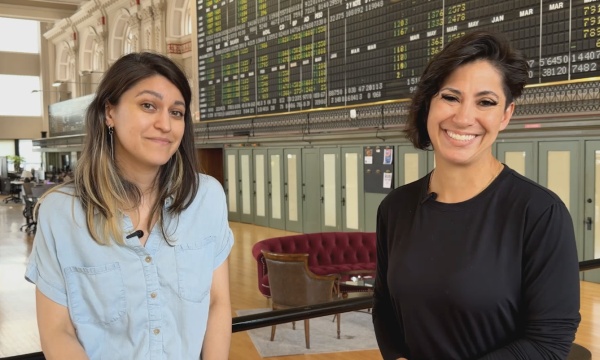
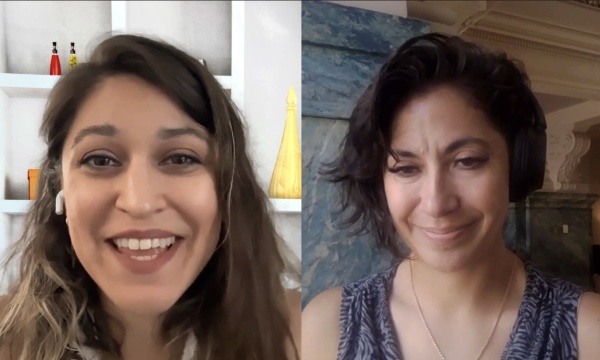
Welcome to the Government Video Podcast, your essential resource for all things government communication and video technologies. I'm your host, Dana Healy, and today we're going to be exploring the world of over the top app development, specifically for government entities to reach a brighter audience within their community. I'm joined with Centrell Reed, the founder and CEO of Creed Global Media based in Houston, Texas. Centrell's company specializes in over the top app development and streaming technologies in order to get to smart televisions. She's a game changer in this industry, making it widely accessible for entities like governments to be able to leverage this technology. She's also widely, uh, involved within her community, including running for Congress at points in her career. Centrell, thanks so much for joining us, uh, today. Absolutely, Dana. Thank you so much for having me. I think this is an amazing platform and opportunity for us to talk about some future forward things. Couple things, you know, like, let's starting with just the vernacular OTT apps. Can you like lay the foundation for us on on what these functions are and how they may be applied to government? For sure. So OTT came about some time ago. Everyone knows when we jumped into internet, uh, broadband, you know, you had the little noise that kind of geared up your, your AOL or your Yahoo, and you're going to check your email. And it is advanced since then to a place where we go now to watch over the top, OTT, television, which is called streaming essentially. And it just means that we are digesting content over the web. And that means that we have the ability to get to content as often as we want. Um, in many forms that we want, whether it's a podcast or a television show or a film, or it's an infomercial, or let's talk about PSAs or, or things that city governments need to make sure that constituents are aware of- press conferences, disaster relief, um, any type of event that's going on like what we dealt with a few years back, which was COVID, and still dealing with those things. So OTT has traditionally been looked at as this is the streaming television of the Hulus and the Netflix and the Disneys and, and those things. Or you're looking at, uh, some other form of, I'm going to stream on the web and I'm a streamer. So I have my own content and I'm doing a podcast or a webinar. And all of those things are over the internet. The deal is, is that governments don't really leverage this technology and those that do don't leverage it well, they don't use it, right? And think about it. They're supporting you and I. Right. So most governments, and I'll even refer to the city of Houston. Which is where I've been for several years and I've made our headquarters for Creed Global Media here is we have a very young, um, population, we're the fourth largest city in Houston, we are the most diverse city, and that's, that's important, because also the age, the age, um, limit, or I'd say that the demographics are that most of the population is under the age of 40, And so where do you think they're consuming their information? They're consuming it on their mobile device. They're consuming it on their Apple watches, and they're also consuming a lot of streaming television. And for governments, they've typically been left out of the conversation because when you start thinking about streaming television, you also think about revenue and monetization and advertising. And a lot of those things are off limits to government because government has a role of responsibility to the citizens to make sure that we're all informed and therefore there would be a conflict in being able to throw advertisements inside of informative content. You know, the highest bidder essentially saying we're going to give you the COVID information or we're not, right? So we can't do that yet. That doesn't mean that they shouldn't be taking advantage of the technology so that they can understand one who's watching, how long they're watching, you know, and how they can better inform the way that they create media and information to be disseminated to their cities. I, I think that's a great foundation for everybody to, to start with here. So considering like the rapid changes, not only in demographics, uh, but in media technologies, how people are consuming it, which you just outlined. So how do you ensure that government, and I know that you work with PEG stations as well, remain adaptable and forward thinking? What are some additional key trends that you'd like to highlight for, for maybe government entities to consider? Well, and I think a lot of them are already considering some of these things, yet top of mind for what governments should be considering and what some of the trends are, are one, they should be considering what it means to be future forward in their technology. Typically, and in the past, governments have not necessarily put technology as the first priority. And therefore, they're using some antiquated things, and that causes slowdowns and backups in their, um, in their systems and their processes. I got a lot of, you know, backstory on those things when I ran for Congress and just understanding, you know, how the things that are happening in the background of operations impact the way our citizens receive services. So technology should be at the forefront, yet it's also expensive. And to keep up with that technology requires a lot of capital, a lot of dollars, a lot of resources. And from my project management, you know, experience in corporate America, building technology and things takes a number of system engineers, developers, all of those things. And it's moving rapid speed. I think past the pandemic technology has increased a thousand percent and it's like every six months, you've got new, new entrance into the space. And they're providing you with some things that it's like, Oh my God, do I need to take advantage of that? You know, what are the most important things to take advantage of? And so for us, Creed global media, we see that the most important thing is to help governments out by helping to alleviate their biggest concerns, which are resources. Typically, it is the public sector, right? So they're not paying as much as the private sector or the corporate sector, which means they lose resources. They're constantly competing with what they're able to provide, even though they have a number of other great benefits, absolutely. Working for government is a stable place to be. It's just that you're talking about now younger people and younger people move around a little bit more. So being able to have consistency in your resources and your employments that will impact whether or not you can really maintain in house technology, right? And staying focused on what those trends are. And then two, when it comes to actually keeping up with the cost or the investment or the commitment to keeping that, that, um, equipment and all of those technologies up to date, It's a huge, huge, huge amount of investment. So with us, what we've done is we've gone in because we see PEG channels, public education and government channels. We see them just like we would see any other studio. The difference is they're focused on city government issues, departments and communications, right? So what happens when they have access to the technology? They don't have to hire anyone. They have a partner in media that keeps up with all of the technology. So that as those things become available, they're made aware of them. And regardless of whether or not their staff is there or leaves, they don't lose any services or connection to all of the things that are available to them. And that is our pledge to our, our government clients and to all of our streaming and entertainment clients. We're doing it for you so that you don't have to. And then it also helps them to now do a few other things that governments haven't done, know their customer. Well, they've been on cable. And you're not getting any analytics on cable. I mean, it is how you mean they don't have the, the Nielsen ratings for government, government channels.
Right. That part, right? So, I mean, you're not getting the analytics that tells you exactly what somebody is doing and engaging with a piece of content and, or whether they actually watched all the way through it or, or whatever the case may be. It is households and households is very generic and yes, we know that that has been long standing data that we we have relied upon , and now there's better data. I mean, now what happens when you know the age of someone, you know what device they're coming in on. We go direct to eight smart TV brands. So you would know whether or not the majority of your viewers are coming from Samsung, an LG TV, a Sony, or they're watching on their Apple phone or their Google phone, or they're watching on their Apple watch, or maybe they accessed you on the web. And you can look at that traffic and you can say, okay, this is how we should be marketing. This is where we should be marketing out of the 2. 3 million people in the city of Houston. 1 million of them are watching on their mobile device. Wouldn't that change how you deliver content? It would also change where you deliver content and where we are expanding to even considering other platforms like, you know, um, smart kiosks that are outside in, in downtown areas, metropolitan areas. What does it look like when you can now walk down the street and get emergency broadcast information from your, your city government's public education and government channel to keep you informed on things you should know, right? Unless you're watching TV somewhere, you wouldn't ordinarily get that. So this is real time, the ability to deliver video. And those are the trends that entertainers are taking advantage of. You see that with a lot of content creators and you see that with bigger studios. And a lot of these, these governments have their own studios. They're just not managing the content and utilizing the technology that a lot of big production studios use. So we're bringing that to them so that they don't have to manage it, yet they can take advantage of it and make sure that they're right there in the homes of their constituents. So, because you mentioned at the top of our discussion that it's a government's duty to reach as many people as possible. So I think that is a really important function and to understand, like, we have to analyze how we're, we're using this technology, what's working, what's not. It's not always just like, all right, let's just put the flyers out there in the grocery stores to connect with people. Like there, people are consuming content in so many different ways. So one thing I do want to talk to you about, um, brand. So I think government typically, brands doesn't come into the conversation very early on. And I know that this is a focus that your, uh, your group does is how, how can a government entity consider brand across all their communication strategies? Well, it's, that's a huge coordination effort. And I remember this question coming up, um, when I attended NATOA conference. A lot of the different city governments are looking for that, because what you do see is that they have multiple social medias and they are all doing something different that's focused on their department, whether it's public works or it's neighborhoods or, you know, it's, it's any of those, those different departments that technology or their community partnerships, things like that, yet they're all over. And my thoughts to that is being smarter with their resources helps to bring more brand continuity, um, and to also have more of a collaborative approach and not to say that governments are not collaborating, yet we're specifically talking about brand continuity was specifically talking about how they can make sure that across all of these things that they're giving and sending the same message. With variations based upon what the focus is in that particular government department, yet what would it look like for you to have spaces where on social media, you are giving people information and building up one central space for your government to be accessed. There's nothing more confusing and I think that we're at an age where we're just overloaded, right? Everyone is overloaded. You've got 50 million websites you could possibly go to. Folks have multiple channels for social media and some of them have a different name, depending on whether they're on Facebook, IG, you know LinkedIn or, or even Twitter, TikTok, you know, you might be Dana H on LinkedIn and you might be D H on Facebook. And it's like, wait, I've got to find all of these different people for just one person on different platforms. And you can imagine that has to be exponentially more complicating when you have to look for a city government. So that is just in the social media space. So what does, when you go to a government website, it's one website and you've got to click all around and find all of the things. So wouldn't it make more sense to be more collaborative? And have one social media account that gets maximized because you're able to post things, you're using the same government seal. You all have the same goals and accomplish the things that you're looking to accomplish for your constituents. So I would like to see more of a collective approach in government from that perspective. And then what happens is that you have more people willing to connect to the content and willing to connect to the message of the government. Right now, there's a lot of people that are disconnected. You know, you see constituents that are like, I had no idea that was going on. Well, they, they won't take the time to go find and, and like and follow 10 different platforms. And they may not take the time to go to your website unless you're promoting it in a place that they would want to watch. Now, when streaming television enters this space, then now you have the ability to drive people back to the key places that you want them to be. You want them to see something on COVID, you want them to see something on a new initiative or, you know, trash collection or anything that's, you know, happening with emergency response or any, any, anything that's going on from constituent services, and you can put those types of details inside of your streaming and allow them to navigate away and go straight to your website. I mean, there's so many connectivity points, yet it's all about having a central location in that directs them to many locations because you already brought them into the fold of the community. So now you've got a collective approach. You're bringing more brand continuity and you're also creating more community when it comes to your city government. And I think we missed those, those pieces because essentially we're already a community. The question is, are we connected? Oh, I love that. We're already a community, but are we, are we connected? That's that's really good. Hi, Michelle here. We hope you're enjoying this episode of the Government Video Podcast I'm taking a short break from today's discussion to remind you that this podcast is brought to you by Cablecast Community Media. We're a cross platform video solution from Tightrope Media Systems. And despite our name, we help cities, towns, and other local media organizations get their video to viewers on all digital platforms, including cable. If your organization operates a cable channel, um, but we help you reach residents whenever and wherever they watch. Be it on your city's website, on mobile streaming apps, on over the top platforms like Fire TV, Roku, Apple TV, or even on their mobile phone. And we even help you push your content live to social media. We've been helping small non commercial stations launch professional, affordable, and efficient video initiatives for over 25 years. And our customers love us because we have great customer support and we have fierce industry loyalty. So if your organization is in need of cross platform video automation and delivery for local coverage of city council meetings or other local events, reach out to our team and schedule a demo today. And if you do, be sure to mention that you heard about it here on the Government Video Podcast to receive a special discount. That's all for me for right now. Back to the episode. So government transparency, let's get into it. I feel, I don't know how you feel about this, but I feel that we play a, like a, a integral role in increasing that transparency, you know, as, as media, as being able to provide video distribution and within these platforms, um, what are your thoughts on, on things that we can do to help government within this journey for more transparency? And have you run into, uh, entities that perhaps want less involvement in the video world? And, and what are your thoughts on that? So, um, when it comes to transparency and helping governments create greater transparency, I think that that comes more in the forms of content that they create, right? And they're creating the content. I think that there's good transparency at this point because when you're looking at some of the content that's coming from our PEG channels, you'll see city council meetings, right? You're going to see school board meetings. Uh, and I think we're in the age of overload and transparency in some, some places and it can be good. And then in other spaces, you should curate your message a little bit more, uh, just for the safety of the public. Everything can't be a right now and let's say it as it comes. Uh, you do need to have some care and consideration how you deliver the message and what you say in delivering that message. Yet to help them, it's more of accessibility, right? You can be transparent and nobody ever sees it. And right now that is essentially what happens in cable. And I feel like when I look for content to watch, I haven't gone to a cable channel and I don't know how long, right? And the other piece is when you say that we're transparent and transparency equals accessibility at some point. Shouldn't you be on, be beyond a geographic limitation and with cable, you're in a geographic limitation. So how are you truly serving your constituents is essentially you're segregating a piece of the population, probably unknowingly, right. And definitely unintentionally yet the transparency piece is informed with all of the things that the governments are already providing and making sure that their constituents get to access where they would access the content, you know, they, we talk about equity and we talk about people's ability to access things and it's like having the analogy of the baseball field, right, and you have two people that are on the outside of the fence, or it's three people, and you have someone who's on a very short, you know, like little stack and they can stand up and they can look through the peak, they could peek through the crack of the fence and see the game. Yet are they really seeing the game? They're not really seeing the game. And then you have someone who has a bigger stack or a bigger box that they're standing on. They can stand over the fence. And they're actually able to see a little bit more of the game and their head is right there. And then you have no fence. And that is the difference. So you're, you're watching on cable and yes, that's transparency, yet who's watching on table? I'm on the short box at this point. And then you have the ability to be on a website or, um, maybe you're streaming on social media or something in that nature. Well, now I've got my, my head right above the fence yet, we're all watching TV on smart TVs now .That's where I go to get my content. I'm watching on my smart TV, my smart device. Or a set top box and it's Roku, Apple, Amazon, um, being able to get a notification because I downloaded the city's PEG channel app. And I get a notification, Hey, we've got a, an, uh, a public service announcement or press conference when you're mayor. I can click on that real quick and look, because otherwise when I go into social media, I have to actually go to that page to see it. So there's a, there's a lot of technology that helps governments become more transparent. Just by virtue of using the technology and that is what I think is missing. And when you become future forward and you want to have more transparency, you create the accessibility and that solves both of those things. So Centrell. So that, that's beautiful. Like you put a bow on it and everything, the accessibility, uh, with the transparency kind of dovetailed together. So we're coming to the, the end of our, our podcast here. What are some actionable takeaways that you would recommend to government to perhaps explore the world of over the top apps to see if it could wholly help their community? Well, first I would say explore it. Technology can be really scary, right? And it's not scary for me because I've been in it for, you know, 16 plus years and we were comfortable with it when others are doing it. Yet when it's time for us to get into it and we can't run from it at some point, AI is going to be a piece of all government and you have to start to embrace these things because there's no going backward and you shouldn't want to go backward. There are a lot of great things about technology that help to give us additional benefits, additional reach, productivity improvements. How quickly can we move some of the things we do take us hours and they can be done in minutes. And not only that, they allow us to communicate better. So I would say that governments need to first reach out and find out more about what they don't know about OTT and about streaming and about whether having a channel on an OTT app is the right thing for them, or whether or not having their own branded presence is the right thing. And I would say that you're one of the top 100 cities or you have 500, 000 constituents, you should truly be thinking about how do I make sure that this is accessible to our constituents, um, especially for growing cities, right? The other piece of that, um, is all OTT providers are not created equal. And so understanding the technology can be a little more involved. You can have an app, yet is the app developed with the latest features? Does it allow for easy navigation? Does it allow people to see your content just like they would see content on any other major stream platform? And that's what pre global media provides. We keep up with the features and keep up with the skins and the skins are what does the layout look like, right? How does it change for you? Does it make it attractive for you to actually view the content coming from your public, education and government channel? And those PEG channels also support other channels like community channels, right? Those community channels are content created by independent, um, constituents or content creators, the creative community, and they're going into a content house. And that goes through, um, the public education and government system. The city of Houston also streams Houston Community College. They stream content from HISD . There's a lot of these, these school boards that actually have their own television channels. So all of those things are important for you to consider where is that content going to be viewed and when someone looks at it, do they really get a good experience? So the technology is not created equal and knowing where you're actually going to be seen, viewed, and where you're going to land. There are some of the city governments out there that have apps right now. They do, yet those apps look like something that we watched 10, 15 years ago. And so when someone sees that, because we can be very entitled, right, we've, we've seen all of these really bold and beautiful images from social media or from of our, some of our major streaming platforms. And we want that same experience with our public, education, and government television. So we want to make sure that they're taking advantage of the technology, asking the right questions. And don't be afraid to set up a call and say, I don't know about this. Can you educate me? And what is this going to do for our government. Is it going to allow us to get access to the technology without spending a lot of money or hiring a lot of people. Is it going to allow us to know our customers and know our constituents better? Is it going to give us data, data and analytics? That's probably one of the biggest things that streaming provides. Cable does not. So is it going to inform us so that we can create better content so that maybe we can share content across cities? That that is another trend that is coming is how do we take agnostic content and share those messages when it's germane to any other city government? Because creating content is expensive. It is. So wouldn't it be great for them to be able to share? It's a global message and we need to keep that at the forefront. Keeping our parks and keeping our health and our educational systems are all important. There are a lot of messages that you can create that would apply to all of our cities and share that content across and we've been talking about how do we make those things seamless? And then the other piece, and we don't talk about it enough in public education, government TV, um, is the trend of actually bringing revenue into the government system, you know, by partnering with your business owners, partnering with stakeholders in your city to deliver better content, to deliver, uh, relationships that include sponsored content. Since there's no advertising in PEG, right? You still have the ability to create a valuable partnership, and now you're linked with these bigger brands for smart TVs and you have an app and that creates more excitement. So these are the things that I would, I would say governments do a little due diligence or at least reach out and say, help me understand what I'm missing out on. Awesome. Well, thank you, Centrell. This has been a really fruitful conversation and it's been a pleasure having you on the Government Video Podcast and to our viewers and listeners at home, like, subscribe, share this with your friends. You know, we'd really love to have, this spread far and wide. I'm your host, Dana Healy, and you've been listening to the Government Video Podcast.