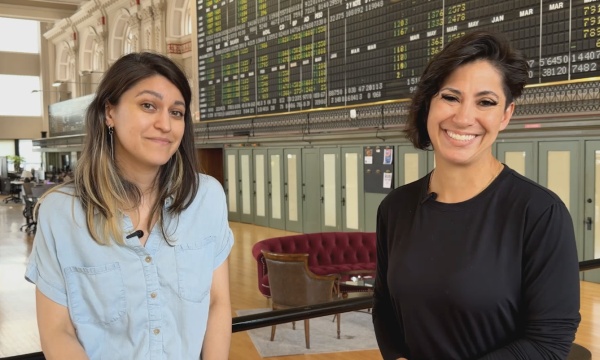
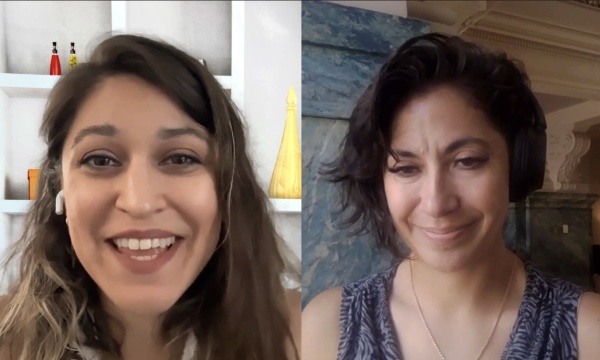
This podcast is for city communications, teams and video professionals in government. We talk about expanding service delivery with video and streaming, media accessibility, gear, broadcast and streaming workflows and more. It's all right here on the Government Video Podcast. The Government Video Podcast is brought to you by MediaScribe from Tightrope Media Systems. Tightrope believes accessibility should never be an afterthought. It should be built in from the start. MediaScribe's award-winning captioning and audio descriptions is your end-to-end solution for accessible government video. Visit mediascribe.ai to start your free trial today. Welcome back to the Government Video Podcast where we talk about what it really takes to deliver accessible government media. We explore the strategies, responsibilities, and real world challenges that public agencies face as they work to reduce risk and better serve their communities. I'm Michelle Alimoradi, and I'm your host this week. Over the past year, many local government teams have been focused on the what, that accessibility compliance requires. Things like captions, high contrast colors, screen reader friendly content. But today we're gonna focus on a different question, which is how government teams can explain the value of that work, especially in organizations that haven't traditionally thought in terms of return on investment. So accessibility remediation is often framed as something agents, agencies have to do. But what happens when leadership starts asking, what did this improve? What did this change? What did this prevent? Our guest today helps government communications teams answer those exact kinds of questions. We're joined today by Sabrina Merrit, founder and CEO of October Social and October Learning Lab. Sabrina has worked in the government and regulated industry space for over a decade and has become a trusted partner to agencies at the local, state, and federal levels, including the US Election Assistance Committee. The New Jersey Infrastructure Bank, the Indiana Department of Health, the Georgia Department of Transportation, the City of Atlanta, and the Consulate General of Canada. She's international. Sabrina's work centers around helping public sector communicators think more strategically about impact, about measurement and return on investment, as we will refer to many times today as ROI. So especially in environments where that lens isn't always common. Or familiar. Today we're applying that ROI lens specifically to accessibility remediation work and how communications teams can explain its value, measure what matters, and make the case for doing this work well and doing it consistently. So Sabrina, so happy to have you here today. Thanks so much for being here. I am excited to dig into this topic with you today. Absolutely. Michelle, thank you so much for having me. I'm super excited to talk about it as well. This is a really unique lens to look at accessibility and accessibility compliance remediation. So really excited to dive in and so happy to be here. Awesome. Well, so before we dig into that, I do want to get to know you a little bit or let our, our listeners get to know you. Before we dive in, can you tell us a bit about how you came into this work, what you like about it, how you got to where you are now? Absolutely. So my work is like a combination of content creation and then truly the discipline of doing social in the private sector. So started off as a content creator, making music, sharing creative content online, developing online communities. And while I was doing that work, I became really curious about what the future of this would look like and what it would look like for corporations and other sorts of organizations. So I started to do work inside of organizations joining social media teams for a large NGO. And then right before I started October Social, I worked, I led social across four different brands for a Fortune 500 here in Atlanta where we're based. And so it was in a regulated industry, so that was my first kind of foray into, okay, social is taking off, it's everywhere. You cannot have a business or an organization function without it. And this is what it looks like when you have to think about it strategically while also keeping compliance and regulation in mind when you are speaking to the public. So with those things in mind, I started October Social Media in
2016. So we'll be 10 years old actually in just a few months. And through that work we got our very first government contract, working for a water authority, planning out their social strategy, but also helping them to create swim lanes for their customer service arm of their water utility work that they were doing for the county. And then really seeing there that there's this great opportunity to execute but also educate and inform government communicators on everything that I learned from the private sector about how to really do effective government and digital communications. And the rest is, as they say, history. Yes, and I've seen you in action early educating teams, and I really appreciate the depth that you go into. You get really detailed in the way that you're educating these teams. And I think you do really great work. So
I'm excited. Yeah. And I, so I'm excited to take a look at accessibility. So I know you already, you're already helping folks that, like you said, are in a regulated space. They're already thinking about a lot of rules in the way that they have to communicate with the public. And now we're asking folks to add this accessibility layer. And I don't think that this is something that's new. I don't think there were government teams out there saying like, you know, we don't care about accessibility. But now they have, but now they just have more specifics that they have to perform within. Right? With this web rule coming up, with the deadline in April. So they're being asked to prioritize this, as something that they need to do. But in your work, you would come in and explain to them, how to frame it in it from a value perspective, right? So why is accessibility work a strong example of where ROI thinking is needed among government teams? Absolutely. So, ROI is something you wanna think about across the board as it relates to all of your communications. And it's definitely something that we introduce. And the framework behind that is that it's hard to improve, which we're not tracking and measuring. And also it's a challenge to communicate to leadership how the things you are tracking and measuring actually ladder up to organizational goals. And that's true across the board. Now as it relates to accessibility, what the reason it's so important is because when you don't give it a framework to where you're thinking about what ROI means in this context, it becomes more of something that feels like it's value based and there certainly is something to be said. Yes, we want to make sure that every member of our community is receiving our information in a way that is easy for them to understand and digest so that they can have an improved quality of life by learning about the services and things that we offer, right? But, it goes much deeper than that and we should be thinking about organizational impact. So what we're thinking about is when accessibility ROI is right and being tracked, it increases public trust. It says, Hey, we know who's in our community and we're thinking about it and refining our processes with you in mind because we know you are a part of our community and we consider you a valuable part of our community. We want you to participate and be educated and informed. The other thing it does is increase efficiency. It stops from, it stops communicators from creating webpages, creating forms, creating social content that isn't being widely received, that is getting a lot of complaints that's causing people to call in versus using the automation that we have in place. And when you think about that amount of time that you can spend on the phone or answering emails, for things that should be handled by automation, it eats up time incrementally and reduces efficiency. So it, you know, ROI and accessibility is really about are your messages expanded in reach? Are we reaching all the right people? Is it helping to instill trust in the community? Hey, we know who you are. You, we know what your needs are, we care about your needs, and we're thinking about that, in mind. And then also, are we being efficient? Right? Are we working smarter and not harder to do the work that we do every day? And I don't have to tell you this, government teams are usually teams of one, right? Or very lean Right. Mm-hmm. efficiency is going to be key when lead, when resources, and, you know, and bandwidth is limited. Right. And I think, you know, we're in this world where increasingly it doesn't matter if it's public or private, everybody wants to take action based on data-driven, you know, information, right? Absolutely. and it's not always the easiest way to, I think folks working in communication are often doing very qualitative work, or they think about it as very qualitative work. And so it's not as intuitive necessarily to try to translate that into something that is, that can be interpreted as data-driven, right? I think I know where you're going with this. Okay, I'll let you take it from here. And, I'm actually super excited that we're headed this way. We're talking about ROI, so when you talk about ROI, you can't help but talk about data, right? They go hand in hand. We want to see the data, and this kind of links to what I just said. When you have limited time and resources, you want to make sure that you're making the best decision possible, using taxpayer dollars, using the resources that you have. And you wanna try to get it as right as possible, as much as possible by using that data, right? And so here's the challenge and the reason why we created October Learning Lab. Because most government communicators not all, right? We don't wanna paint a super wide brush, but most government communicators have a background in communications or journalism, and that means that the focus has been on accuracy, ethics, storytelling. And certainly all of those things are critical and necessary, but when we start to look at accessibility and using technology and software to help further underscore our communication efforts, we really are talking about data when it comes to that ROI. And frankly, a lot of communicators know that they should be tracking data or paying attention to data, making data informed decisions, but they simply just don't have the background and aren't familiar with thinking about the work that they do every day in that way. So it becomes imperative that we start to develop frameworks where we're moving. The goal is really to move from accessibility remediation to accessibility by design. And tracking those things as we can so that we are making, again, decisions informed by data, but also that not only help to make sure that all of our community members are informed as they should be, but to continually increase, efficiency and frankly make quality of work life better for communicators. 'Cause they have a better understanding of how they should be thinking about the work and what that means for the tools that they use. Right. And when you introduce these ROI concepts to government communicators, as you mentioned, they are often coming from a background that wasn't in a sort of data-driven space traditionally. I think all, all industries are moving into a data-driven decision making framework now. But how you help them redefine return in a way that actually aligns with public service values. Absolutely. So you're right. Typically ROI is associated with two kind of disciplines in mind. We're either talking about finance, at you made an investment in a company. You wanna see what the return is. Or from a financial perspective on the marketing and advertising side, you've made an investment in advertising and you wanna see what the return is. When we're talking about ROI and public service, we are looking at something different. Now, sometimes we are looking at that advertising piece, but as it relates to accessibility, what we're really looking at is how far is our message reaching. And then what that efficiency looks like. And we're putting our ROI in two different categories and, and this is sort of what we do for our clients as well, when we're framing that internally. So first, as communicators, there are going to be metrics and analytics that only communicators are concerned about, gonna nerd out about, feel really great about, and then when we're talking to leadership, so if we're talking from a miss, municipality standpoint, what is the city manager, what is the city council, what is the mayor going to be interested in hearing? What can they use to say our efforts and investment. In this particular thing, in this case, accessibility. This is how it has laddered up to our overall community goals, our municipality goals. And so it's really about not necessarily tracking different things, but how we talk about the things we're tracking when we're talking to leadership. And the key there is to always tie it to organizational goals. Use the language that leadership cares about that they're measured on, and pinpoint how the things you are doing, and the things that you've been able to accomplish really ladder up to those goals. So we say start with things like completion forms. You know, you have a form that is supposed to be completed online. How many people actually completed? You've posted a video of a council meeting to YouTube. How many people actually used or downloaded the transcript are, are you getting requests for transcripts? You should start to see that the things that you're doing, as it relates to accessibility, is creating larger reach, it's reaching people it didn't typically reach before. So you're reaching a larger demographic within your community. You're seeing that you're receiving less requests, less complaints. And it's also, you're also seeing that when you are designing the work you've been doing with accessibility in mind, you're also being mindful of your time. It takes, it's quicker now to do this work because we are thinking about captions, we are thinking about alt text, so we're not spending the time that we used to in remediation, going back, fixing things. We're not doing double work, doing, fixing things that we created before. So I would say. Make sure they ladder up to leadership, and look for those types of metrics to start your reporting. I really like that response because, there's so, there's so much good stuff in there. First of all, really tangible examples, right? Of metrics that you can, that you can track that I think most cities are trying to do, right? We're trying to get more use of these resources that we're spending resources to create. And then I feel like for people that are just getting started, they now have to go through this process of saying like, before we start the accessibility work, what do we want to see happen, right? Because some people might not be tracking that to begin with, to even be able to show progress. So now, like the first step in their process of remediation is actually to pinpoint like the metrics that they're after. And that for me in work that I do, that guides me so much. Right? In a, in a situation where you might, it might feel very daunting because you have a laundry list of expectations coming with these new ADA rules, that can feel like a lot, those key metrics can really steer the decisions and the priorities, right? As people are, are getting started. Have you, have you seen that at play with folks that you're working with? So I would say you hit the nail on the head in that, there's not always a lot of tracking going on and how accessibility is being approached is very much through, we have this mandate, we have a deadline to meet. There is a feeling of a little bit of overwhelm. How are we gonna do all of this? How are we going to make sure that new content is accessible going forward? What are we going to do with all of the existing content? And so, to your point, what, when, what we're seeing is that, one, we have to come in and say, let's back up a little bit and look at this a little bit more strategically. We do need to address access, accessibility remediation, but we also need to have an accessibility strategy, which really should be baked into our overall content strategy. And that's when we start getting to accessibility by design, developing frameworks where we're thinking about what, how we design and create content from the very beginning, and also how collaborating across departments. So, you know, I know that our audience for this, we're talking mainly to government communicators, which could be directly, director of communications, PIOs, et cetera. But we're also talking to IT folks and AV folks, right? And what we're seeing is that, when accessibility and content creation content disbursement distribution is being viewed from a strategic standpoint, and that strategy is shared with our AV department or our AV person, it's shared with our IT person. Everyone gets to show up to the table as subject matter experts in their respective spaces. So if I, as a communications director or the PIO go to my IT department and I say, you know what we really wanna make sure, is that we we're compliant by April 24th for some folks, right? 2026. And we want to make accessibility easier. We also want to make sure that we have a great framework for two-way communication, whatever, whatever your goals are. It doesn't mean that you have to drag IT in and the AV department through every single thing you wanna do, but when they understand that, they can come to the table and say, oh, I thought we needed this software. But really what we need is this software because now I understand that my job is not just let me choose something so you have the technology that you need to execute, but let me choose the right technology and partner with you in a way that is strategic so that the technology that I choose underscores our communication goals, and we're actually working smarter and not harder across departments. And when we are able to introduce that to the organizations that we work with, it can also save money because we've seen things like, oh, we thought we just needed to do this one thing, and now that these other departments are involved, we realize we have the right software, but we're using the wrong tier. Or we have the right software, but we don't have, we, everyone's paying for individual software or an individual piece of hardware that we could all collectively be using and we need more licenses, right? And so when everyone is dialed in to, Hey, we have a strategy, we have an approach. This is how we're going to track measurement and measure that approach. And this is how we all play a part in making that strategy go. It leads to, again, you have that instilled public trust, right? Because we know who's in our community, we're giving them what they need. We're being proactive about what they need. We're not waiting till they, there's some level of complaint, but we're also talking to our departments internally, bringing them in as collaborators and stakeholders and making our job more efficient. And then everyone has bought into, Hey, this is something we're working on as an organization. And then that's something you can take to leadership and saying, we're working across departments to do this. Here's what we've done from a communication standpoint, and here's how we've saved time and money, which I think everyone is looking for. We're always looking for ways to make sure that our budgets stretch so that we can provide all the services that we want to our communities in a smart and efficient way. Right see, I get excited about this. I, I get excited hearing you talk about it. No, I think it's such a great approach because like, let's face it, service delivery, that's a value, right? Every, everybody that works in the public sector, I think you'd agree that they, they want to deliver services to as many people as possible, as efficiently as possible, but that's such a broad reaching, nebulous thing as a, as a goal, right? And so then if you can boil that down to two or three very specific metrics, Mm-hmm. that really motivates people, right? It's like, this is the number, this is the number that we want, and now everything else is clear, right? Because, you know, there might be some trial and error along the way, right? But we now understand we want this number, and that just helps you prioritize, helps you, like you said, be more efficient. It helps you understand where your blind spots are. And I, it just really simplifies everything. And I hear so much in conversations with people that are, that are grappling with the work that needs to be done before this deadline. Things like, oh, we have thousands of PDFs to remediate, you know, well if you knew that you had a specific goal around, you know, having better participation in a specific category, having better satisfaction surveys, and maybe those satisfaction surveys have already to like given you some data insight into what people's priorities are in the community. Then you start to work with things like that to help you say, alright, well we can't do everything today, but we know that this is where we need to start. We wanna get this number to here. Right? exactly. Um, I, to piggyback on your point, I would tell people start where you are, and scale as you grow. It's something they say in the public sec, excuse me, in the private sector all the time, and I use it all the time on this side of things, you can't do everything. There's, we all, we all have the same amount of hours in the day, and so we can't get everything done. We have limited resources. And then, you know, it's not like there are any surprises that come up every day in local government Never, never. Right? So you can make the best of plans or you're gonna knock this out and then, you know, now you have to address or handle something else. And so, starting where you are means looking at the forms and the things that are the most used, the most impactful, that are going to make the most difference. Looking at the web pages, the landing pages that ha, that are the most visited, has the most activity and address those first. When it comes to social, starting by looking at what you're going to be putting out, starting from that date going forward, and how can you make those high contrast images? How can you start making sure that there's alt text and captions where there needs to be text, excuse me, captions. And so starting where you are and then there is a bit of a reprieve. Certainly the requirements. There's a lot of reading, but they have thought about that as well. So there are some things you can do while you put your plan together, and that is to create an archived list, right? So, let's say on YouTube you have a bunch of videos that you haven't had a chance to make sure meet those accessibility requirements. You can create an archived playlist and recognize that this was content that was created and dispersed before this date, and refer to it as such. And then going forward, everything then is through this new accessibility requirement lens as of the April date. Some people, if you're, if you are a local municipality, government organization, I think public universe, well I'll stick to municipalities below a population of 50,000 people, you have a little extra time. 500,000 people, I'm sorry. You have a little extra time. But you wanna make sure that you are, you are, you have a plan, right? That's what we're focusing on. You have a plan, you have a strategy, you want to make sure that you are starting where you are, so what's going to have the most impact? And then you want to make sure that you do have a plan to address the things going forward, and you're doing what you can as you can to address the things that have already been created and for some of those things, creating archive list, playlist,
list on your landing page. This is our archive list of documents can really be the key to, heading in the right direction. And I, I think it's important to point out this archive exception because that's been one of the bigger things that I think a lot of people are grappling with is like, what, what can we archive? What should we archive? How does the archive need to look? And I think this framework, right, of thinking like, what, what is your metric? What is the value? What is the outcome that you want? That can also be a very good guide for what's gonna get archived and what's gonna get remediated on day one. So I, I hope that folks are taking that part away from this conversation as well is that once you know what your metric is, becomes really easy to say like, this is what's, this is what is for now and this is what's for later. And then, yeah, go ahead. I'm sorry, I wanna jump in here because I, I wanna clarify two things while you were talking. I did a quick look about my numbers. It's actually a population of 50,000, so I was correct the first time when I said that, as it relates to populations where, municipalities with populations of 50,000 or more have that April date of in, in 2026. The other thing I wanted to say is the way that the average person thinks of the word archive and the way it is defined in accessibility rules is also very interesting. So I think if you use social media or you use something else, when you think of archive, you think of it's not deleted, but it's not necessarily available for viewing. Or you don't see it right away. And so in the example that I gave about the YouTube playlist for example, it doesn't mean we're I specifically talked about labeling something arc as an archive, and so this gives you a bit of an understanding that it's still available. Previous council meetings can still be available for view, but it's on an archive play, playlist, which allows those who are checking for accessibility compliance to understand that you understand what's happening, that you're moving forward in good faith, and that you have a strategy and a plan while still making sure that vital information that needs to be available to the community is available. Right, the archive, the way an archive looks in the context of WCAG rules, is really centered around what's changing and what's not changing, right? And, and of course if anybody requests some of that archive content, it may need to be remediated at that time. But, but only in like an on demand basis at that point. And you can always come back to it, right? You can always, if you have reached that level of efficiency that you wanna go back and remediate your archive, you can always do that. And I also just wanna point out that we did kind of start this episode assuming a certain level of knowledge about the deadline, about the rules, and that we do have a library of other podcast episodes where we get really deep into these rules and we really start at the beginning. So I wanna make sure that folks know. That information is also available in some other episodes, and that I've been, you know, as we progressed in our conversations about this, we wanna just like put a new lens on this work that needs to be done with different experts such as yourself, Sabrina, just to help find, help people find the one that clicks, right? And I'll say like, this one in particular really clicks for me in terms of, the way to start the work, right? The way to start the plan. 'Cause I'm very motivated by like that, that one metric, that one number. And, and on that note, on this topic of, of the number and the data, I want to get a little deeper on that. Quick question, are you heading to NAB this year? If so, we'd love to meet up. We're Tightrope Media Systems, the producer of this podcast. We make tools to help media makers in government work smarter. Video accessibility and compliance with MediaScribe, as well as broadcast automation with Cablecast. If any of that sounds relevant to what you're working on, let's grab some time and chat while we're both in Vegas. Click on the link in the show notes to book a meeting with us and we'll see you at NAB. why is it important for communicators to look beyond surface metrics, like views or impressions, for instance, um, to really evaluate this, the value of this accessibility related work? And what would you guide folks to look at? So, you know, impressions and, views, really just kind of speak to the fact that the content has been delivered, that, you know It's been delivered on the platforms, it's published, someone saw it. You know, we're not gonna get into kind of drilling down into those two things, you know, how long did someone view it, et cetera. But, you know, that's a good place to start. Okay. Yay. You did it. And as a communicator, you, you've done it right. So that's. Not really moving the needle for anyone. But, as you dig deeper into, you know, those completion rates, when you dig deeper into those requests as we talked about, are you getting more requests for transcripts? Are you not getting more requests for transcripts? When you share social posts with captions, do you notice that there's more engagement, are there more saves? We do talk about different levels of engagement too, and engagement depth, but we won't go there. Right? But all engagement, all impressions, analytics, excuse me, all analytics are not created equal. And so it's important to sure track those things, but knowing going deeper in your analytics is going to allow you to really communicate again to leadership, how you're moving the needle, what those organizational goals are, and then also for yourself as a communicator. We've mentioned many times, lean teams, limit to resources. You should be using that data to refine your strategy, right, as it relates to content overall, but also your accessibility. We, it is worth spending the time to create these captions, not only because we're meeting compliance, but because they actually do better, right? More people actually are seeing our messaging on these platforms because we do have that. We've noticed an uptick. So now when spend time, of, sure lots of platforms will give you automated transcripts, but when we actually spend the time to go through that automation to make sure that they're correct and, everything is being relayed as it should be, we, we feel, we understand that that is a true investment of time and where we should be spending our time. Because we know it ladders up to the goals that we have for communications and for our organizational work. When you have a limited team and you have limited resources, it goes without saying that you can't do everything, but you can really do, move the needle when you focus on, in, on the right things and the actions and the tactics that are the most impactful, and that is really what you're looking for. We have limited time. We have limited resources. What are the things that are going to allow us to refine our strategy, refine our approach, be data-driven, learn as we go, while also being able to show leadership both quantitative and qualitative metrics that really show that what we spend the most time doing is really what is the most impactful. And I wanna take a moment here to talk about the human element of it, because you mentioned it a couple of times about how you really like you love a good metric, you love, um, I love a number, yeah. You love a number. Like this is the number I knocked it out of the part. We exceeded that. And the human aspect is we're all people just doing the best we can at the jobs we have, right? And especially those of us in public service. If you spend any time talking to someone who works in public service, especially if they've been there for years, they really care, right? They're very invested. They care about the work that they're doing. So, tracking also gives you this personal kind of morale boost. Like, oh my gosh, we put a plan together, we work together, we accomplish this for the good of the community. And that's something that gives you that extra like oomph. And then here's the other thing, right? When you think about your career, your trajectory in public service, when it is time to have those reviews to discuss what your career looks like, what the organization looks like, or maybe you just want to discuss what your budget for the communications department looks like, it gives you an opportunity to have real metrics and have a real conversation about the impact that you're making, rather than saying, oh, this went well, or We had a bunch of people show up. We guess it went well, but we, oh, we had a bunch of people viewing this. We guess it went well, but we have nothing to track it against to show how we've grown, how we've increased the impact that we're making. And so I think it gives us so much from a human element, oh gosh, we're doing an amazing job from a professional standpoint. I can actually say, these are the contributions I made and I have numbers behind them. And then, you know, from a budgetary standpoint, sometimes all of our requests don't get approved, but at least you can begin to build a case to say, Hey, you know, it would be really great if we thought about this extra thing because it will help us meet our goals. And here's the data to support those things. And, and it helps you answer that, that question. So what is it? You'd say you do here, right? It helps you. We'll see you have a faster response to those types of questions. Exactly. Sabrina, in your experience, what do you think are the metrics if folks are starting with their strategic plan today? What do you think are the metrics that tend to resonate the best with leadership? In the public sector or, or in any sector. Yeah. Well, in the public sector, it's gonna be anything that reduces risk, right. Compliance, we wanna, we wanna about that one in a bit too. For sure. Yeah, it's gonna be anything that reduces risk. So, hey, we don't want the DOJ, we don't want the local state folks to, to audit us and look at us and say, what have you been doing? You haven't been doing anything. When those things happen, right, you can potentially lose funding. Lots of things can happen, right? If you're not compliant. And, and we're, we're talking about accessibility today, but just in general in this space, right? So anything that reduces risk, anything that, when you're talking to leadership, anything that produces efficiency. Hey, we got this done accurately and more quickly, and as a result, we were able to get out five more of these things, or we produced six more of these things, or we were able to do this and this. And this thing that we accomplished was just a nice to have. Anything that has to do with, again, using the budget wisely, right? Where are we really spending money and are we spending money in places that the community finds impactful, helpful? Are we communicating well about those things or have we thought about it from a strategic and thoughtful manner as well. So really focus in on, what is important to leadership. And I'll end with this sometimes, not always. You'd be really surprised at how many people aren't always aware of what's important to their direct supervisor or important to leadership as a whole. And so often when we come in, I ask those questions sometimes, depending on what's happening in the, in the space, maybe you don't feel comfortable asking those questions. Maybe leadership hasn't answered those questions, whatever, whatever the case may be. It's important to understand what direction does everyone want to go in and what is my contribution to getting there so that you can articulate that so that you can track and measure against that. And then of course, so that you can use that tracking and measurement to speak to leadership about the impact the work is doing. Right. I think that you're taking that additional step, essentially, like I think a lot of people are often aware of their values. Right, but they're struggling to prioritize their day-to-day work in support of those values. And that's where this framework is really bridging that gap, right? Because if you are a person who's been in your job for a while and you do care deeply, it can be really difficult to figure out how to prioritize because you want everything to be perfect. And you just simply don't have the resources to do that. And, And with com with communicators too, you don't have the resources to do that. You care so deeply. But a lot of times with communicators, it's a, it's a situation where the cobbler has no shoes. Communicators can be really great at doing the job of communicating about the work, but not really talking about impact the wind that they're, they're, uh, contributing the, the contribution they're making, what things actually have helped move the needle. And then like we discussed before, it, it's really not their fault. And of course we're not talking about anyone's fault, but when you come from a communication in a journalism background, you're really just immersed in the storytelling and the accuracy in the service as you should be. They're, they're so critical. But, to the point that you made, because of the advancement of technology, everyone is in the business of data to some degree, right? Knowing how to track those analytics, what analytics to track, how to communicate, said analytics, how to use the analytics to inform your decision making. And so it really requires a, uh, a mindset set shift, right? it also. Requires it from the top down, right? Sometimes when we come in, the communicators are very much concerned about, analytics and being data-driven, but sometimes leadership isn't asking for it. Leadership hasn't prioritized it, or the leadership is not concerned about metrics as it relates to digital communications overall. And so depending on where the organization is, there has to be a, a mind shift, really always from the top down to help with adoption, but some level of, okay, we are going to be data driven. Let's also take the time to not only figure out what we should be track tracking, but maybe think about education as it relates to those things. We haven't really been describing it in this way, but what we're essentially describing here is systems, right? Developing systems and what I'm hearing in a lot of conversations around accessibility remediation, because of this, this new rule coming up where we've got a lot of standards defined much more in detail than they have been in the past. People are thinking of this often as like a one time thing, right? There's this big, there's this big process that has to happen right now to update all of our assets. And then somewhere on the other end, there's this nebulous like, okay, we're, we're good now, like we're accessible. How do we start thinking of this as systems as opposed to this like one time dump, you know, or this one time conversion. This big fix. Yes, we have a. Project, we did it. Woo. And now we're done. Yeah, exactly. Now. So, yeah. Well, um, you know, it's really where we go from fixing the problem, which is what, remediation is, right. Fixing it to designing, designing it, and, and starting from the very beginning with that in mind. First developing content frameworks that let's take social media for example. If you're putting together a social media calendar, you want to write that copy, grab the graphic as you always have been. But you also wanna make sure that when you're doing all that, you already have your alt text. wanna make sure that you've already, once your calendar's done, you're gonna run your graphics through an accessibility scanner to. See are your graphics, uh, up, up, up to requirements, right? And that's what we mean by developing a framework. But from an organizational standpoint, some things that I would do is making sure that everyone who contributes to content has an accessibility checklist. What is something that we can make sure as we are developing this framework and, and influencing, right? When we talk about frameworks, we're talking about changing and influencing behavior, and we know how. Everyone just loves change management so much, right? And so what can we do to help with that process? So developing accessibility checklists so that when content is being it's triggering everyone's mind. Okay? We should be thinking about accessibility from the very beginning. Here's what I should be thinking about as it relates to my role, and my contribution to content creation, communication creation. The other thing that I love is that when something is new. We should be collaborating across the, the organization. So consider creating an accessibility council. We do this with social media as well. When there's, various social departments with social media pages, everyone who's in charge of communication, we come together. Maybe you meet. Once a month, you meet quarterly to talk about, the pain points you're seeing how the framework you've put into place maybe can be refined. If you are going to go back, as you mentioned, Michelle, and fix some of those documents that have been archived, what is the order of prioritization? Who owns it? What are you gonna, who's gonna going to execute it. What are the due dates? Really creating the opportunities for that. And then my favorite is in each department though, have those council members be considered accessibility advocates, right? So there, if you are large enough where you have various departments, someone inside that department who is responsible for communication can also be the advocate within that department to remind others, hey. When you give me something that I need to communicate, I am going to have to do these other things. So please try not if you can, to not give it to me the day of because now there's a few extra steps that maybe you weren't aware of. If we're planning something, hey, we need to make sure that we have put this through our accessibility lens, so we need a few more days of planning, or we need to have this extra software and we're all going to use it, and we're able to advocate for it, and we're able to talk to our respective department heads if, if you're in an organization of that size about what, what it does, why it's important, and how it helps the, the organization. What that does is take the onus off of just one person or one department and make where everything is just your responsibility and all of this pressure. And it really says, from an organizational standpoint, we all understand that this is something we have to do. We take ownership in it. We are accountable for it and we're working collaboratively to get it done. Which frankly makes everything feel more achievable. Right? They always say, eat the elephant. How do you eat an elephant? One bite at a time. And it's like, we eat the elephant one bite at a time, but I'm not the only person who has to help consume, It's a group effort, yeah.
It's a feast. Yeah. I really like that you mentioned, the part about like needing tools, right? Like needing software, just in general, like, resource requests, in relation to this work. Because as we also mentioned before, there is this element of risk mitigation that's involved. And so when you have these very clear goals, when you have these very clear frameworks, now you can have a system for saying like, okay, we'll invest this much based on this amount of risk, right? You could have those sort of calculations in mind for your budget planning, for your resource planning. And that just makes it a lot, it makes the impact a lot more clear on the resource allocation side as well when you're doing this stuff. Not just, not just people power. Um, It makes it more defensible. Should it ever come up? Right, like why did you spend so much money on this right? You, you go into a council meeting, you're like, actually, thank you for asking. Here's all the information, here's the data. Right? So, you know, again, to your point, compliance and risk mitigation is also about having a strategy and being as proactive as you can instead of reactive. It really gives you the space to be collaborative, to be creative. To be strategic. And like you said, I really like what you said about, okay, we know that for next year or next time, we need the budget for this. And sometimes when things feel overwhelming, you're like, how are we gonna get this all done? But when you have that strategy, it. It kind of weirdly gives you this breathing room, like, oh, okay. We realize we can't do everything, and because we have a plan, we feel much better and more equipped about how we actually are going to reduce risk, solve this challenge, get us ourselves up to speed and compliant. And I think that's a great place to wrap it up and just. Make one Oh no. on every, I know we've gotten into so much good stuff here, but it just made me think like a great place to leave people would be with one or two of your best recommendations for first steps around this kind of work. Yeah, I would say first steps is to identify internally who's going to own it. If you are in a small organization and you're like, it's just me. I'm the communications person, I'm gonna own it. I say, no, no, no. Tap in your av, your it, tap in legal let make other people aware of what your plan is. Why is it what sort of help you may need? From the, from the very beginning, when I say help, I mean people, I mean resources, et cetera. Second, I would say look at the forms, the landing pages as I mentioned before, that are the most impactful. What gets the most use, what are things, that maybe you get the most complaints about? Thing, use the data that you already have because typically there are already signals and signs. We don't love to get complaints from our community members, right? No one loves a complaint, but there is magic in that, in that it tells us, okay, we sometimes we need to start here, right? This is where we're going to be the most impactful. So I would say zero down. Zero in on those things and make changes there first, because those places are the places you are going to be able to see the needle move really quickly, right? If you always got complaints about this one form or completion rates, drop off, and then people start calling and then you've made the changes and you notice, okay, now that this is accessible, we get less calls. That's something you can speak to. That's a win, that's motivation to keep going, but it's also a big enough metric where you can see, the impactful organizational, difference that is being made. Three, I would say begin to write down your approach. So little by little, even if you're just keeping a word doc that is like, you know, not uniform, just has notes for you. Begin to write down things that you're noticing as you are working to get things accessible, things that you've done, because the idea is to begin to make this approach organizational. Anytime something just lives with one person, even if you're the only communication person, you know, it, it weakens and actually creates larger risk because no one else in the organization knows where you keep the documents, what your approach has been. Goodness forbid, you're out on, you're out or you know, you change positions. Now no one knows how to follow or complete the work. So begin to start to document your process. And then with that one change. Just begin to track one or two, metrics. I, as I mentioned, we talked about forms. So in the example, look at your completion rates. Look at the amount of people who are calling in on those specific lines to get support. Are they talking about the same things or has the tone and the nature of those calls changed? Then from there you have a case that you can make, not only that you're starting to make these changes, that it's being impactful and you have a place to start. From there if you are larger and you have multiple communicators, or maybe this is the thing about government, right? Sometimes people are in charge of public facing channels and they're not necessarily communicators, right? And so when you have that as well, this is a good time to really establish that council and do the things I just mentioned. When we start getting other people involved, say, Hey, you're in charge of communications too. We're gonna have an accessibility council. We're gonna talk about the framework, how we're gonna get started, where we're gonna get started, this is what we're gonna measure. So again, it's happening across the organization. And if you're in a really large organization, maybe you just start with a few folks that you know you can wrangle. So then you, you're able to show, hey, this is what we've done across our five or three departments, and now we want to take this and roll out this approach for everyone. And I realize with accessibility, the date is the date. So it doesn't mean that other departments may not be working towards it, but we're talking about frameworks and approach versus just being tactical to, you know, think being tactical and thinking about, okay, like you said, this is our remediation project and now we're just done. We need to have that framework, organization y so that there is a path going forward. Right. And I think within all of this, you know, we always have to remember that many things can be happening at once, right? You could be developing this plan while other things are are also happening because you can't let perfection get in the way of, of progress, right? I really liked also
the mention of, you know, often your weakest asset is your biggest opportunity to display, you know the return on investment of your work like that, that is your biggest opportunity to show like, Hey, look how much more effective we are now. So we've been talking about how accessibility remediation isn't just about meeting requirements. It's easier for everyone to understand and value the work when everyone understands what the work is accomplishing, or very yet what it's enabling in the community. 'Cause that's, that's the ultimate goal here. So when your team can apply this ROI thinking to accessibility, you're better equipped to advocate for resources, build sustainable workflows, and show leadership why this work matters. If today's episode sparked ideas for you, we encourage you to check out our full episode library for other discussions on the upcoming ADA web rule enforcement and beyond. And, we also encourage you to like, subscribe, and share this episode with a colleague. We talked about meaningful engagement. Please share this with folks that you think will benefit from this content. And thanks again Sabrina Merritt of October Social and October Learning Lab for joining us today. We are, I'm sure gonna be working together in the future, but thank you so much for coming on today and thanks everyone for listening to the Government Video Podcast.