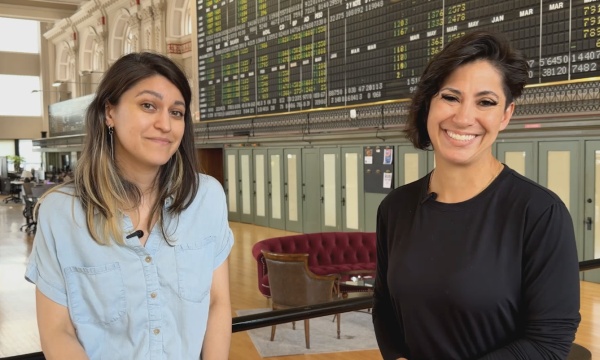
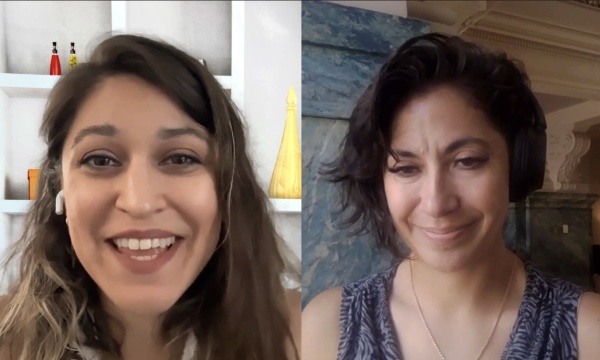
This podcast is for city communications teams and video professionals in government. We talk about expanding service delivery with video and streaming, media accessibility, gear, broadcast and streaming workflows, and more. It's all right here on the Government Video Podcast.
Welcome to the first episode of the Government Video Podcast. I'm Michelle Alimoradi. Dana: And I'm Dana Healy. Michelle: Today we are going to introduce the podcast. This is our very first episode. This is a concept that we've been talking about doing for quite some time, and it's finally coming to fruition. Dana: So Michelle, tell us a little bit about who is Cablecast? Michelle: Cablecast is the company bringing you this podcast, this content series. We are a maker of broadcast automation video servers. We do multi platform distribution to cable and streaming platforms, video on demand. We have been serving the community media or cable access market for over 25 years. And actually in the last 10 years or so, a lot of our customers have become municipalities and cities and counties. A lot of folks working in government who are responsible for bringing video content to residents. And so as we've been, in this space for a really long time, really catering to the specific needs of those type of companies it's really tuned us in to the unique issues that those types of video organizations face that are different from commercial video or even other types of educational video, even though there's some crossover there. Dana: Sure. So, essentially, we're, we're saving cities time when it comes to distributing their video across all the different platforms, right? Michelle: Right. Dana: So we're able to help them get their content on cable, as well as the internet, as well as OTT apps and because, you know, the government employees, they don't have a lot of time, right? So they're kind of strapped for the amount of things that they can do. So our product really does help with that. So when you were looking into starting this podcast, tell me what you saw. Why did you feel that PIOs and IT managers and community media managers needed a podcast like this. What were you seeing in the landscape? Michelle: Really just a lack of uniformity from city to city from county to county, from state to state. You just really see so many wildly different structures in terms of, I mean, you just mentioned like a bunch of different titles and the responsibilities really vary so much from place to place. So we were having a hard time even figuring out who was responsible for video from place to place. And I think in a lot of cases, the cities were too, they're like, they might have facilities, they might have specific funds dedicated to these video services. They don't even sometimes know who the person responsible should be to make this happen, or what's even possible, that they can do for residents using video. There used to be more publications specifically dedicated to this, but I wouldn't say that they even really touched on, like, the specific workflows. It was a lot of gear and, you know, maybe new features, talking about trends that commercial video is into that might also apply to the government space. And so it's really just about coming together, having a conversation about what cities are doing in general, like, just having a place where we can park those use cases, we can talk about how things are getting done, we can talk about budgets, we can talk about compliance, we can talk about how video can expand resident services, and then getting into what you were saying before, like with Cablecast. We really focus on how we can save staff time, right? Because we know that we're creating a product that is usually for someone wearing a lot of hats. Usually not fully dedicated to just managing video, right? I mean, has that been your experience? Dana: Oh, absolutely. And so many of the cities that I've seen and worked with and a lot of our customers and different use cases come directly from, I need to figure out how to do this as fast as possible and how can you guys help me get there? So, well, I'm assuming we're going to be pulling a lot of those stories, those really applicable use cases into this podcast. Yeah? Michelle: Yeah. I mean, so much of what we learn being out there and talking to people all across the country is really what goes into the development of our product. That's how we learn what you need. So having these conversations really helps all of us do better. What we want to do is we want to collect those stories. We want to find as many experts as possible to talk about policy, to talk about workflows to talk about budget and also just like organizational structure, like what departments are responsible for doing this work? Who are the other stakeholders that people need to be communicating with? And in places where really cool projects are happening, how are they getting done? Right? How, how is that happening? Dana: Yeah. Some other content that we were talking a little bit about was security trends, like what's important regarding security AI, and how it's impacting government employees, especially in this space. Oh my gosh, the AI and the video, there's so much, so much happening with that. So we'll have a whole season to talk about that. Michelle: It's a rabbit hole. Dana: And then just content. I mean, we've seen like a drastic shift in content types. Coming from different areas of the country. An example that I've seen was, cities were doing a lot of, get out to vote. Everybody get out to vote and mobilize about that. But now it's more about having safe and secure voting practices. And that's just like a content shift, right? Michelle: Right. Dana: So this could be a place that is where we unearth those different trends and people, experts can come in and talk about their own experiences related to that. Michelle: Yeah, and I think it's about expanding what video can do too, because I think, a lot of folks on the podcast, again, we've mentioned a lot of different job titles that we encounter working in this space they will probably have a really specific idea, right? Something like streaming your city council meetings. But there's so many more ways that you can expand the way that video can serve residents in your city. Things like hopping onto other initiatives, like you said, with voting. There's other departments that you can partner with to create videos that expand resident services or expand your sort of visitor services as well in your city. And I think this is the space to talk about that as well. We've talked a little bit about what Cablecast does and how that got us here talking about these topics. We've talked about who we speak to when we're out trying to do this work in this space, and we've covered some of the topics but I think really what made the podcast come about is just getting really specific to the way that video overlaps with all these other things that government does, right? So in order to reach folks, we don't go to just like a government video conference because we don't really exist. We end up going to talk to people in the Government IT space, or government communication space, or government just more general technology space, and then it becomes a little more piecemeal, I think a little more tedious for folks to piece together their video workflow, because you don't have your automation servers next to your encoders next to your people talking about streaming app or even just like a more general mobile app best practices for user accessibility, user experience. We wanted to help people bring all that together in one place, see how these pieces fit together, and also just give you some like real stories, some real applications to see what people are actually doing, how much it costs, we want to cover it all. Dana: So it sounds like we're essentially building a toolkit, like where technology meets application meets theory. All around the, this space is so, and that's something that we, yeah, Michelle: you hit the nail on the head. It's exactly that. It's a toolkit and it stemmed from this project that we started a few years ago. It was actually during the pandemic, everyone was suddenly scrambling to have a remote access to everything, and streaming became so huge. And we were looking for ways to keep in touch with people about how to be successful in that. Getting city council meetings out there virtually, promoting virtual participation in school board meetings, like there's news changing every day. And in that, in making those connections, we actually started to put together this digest at the time we were calling Municipal Broadcast Digest. And we started putting that out on a monthly basis. Like we had all this content, we had all these resources to share, and we had a pretty sizable database of people in that space. So we started sending out content about that every month. It was getting quite a bit of engagement. So last year we kind of leveled it up around NAB, which we'll talk about in our next episode. Because I know there's some people that probably No. They're like, oh yeah, let's talk about NAB and some people are like, Dana: what's NAB? N A What? Michelle: Yeah. Exactly. Because again, crossover, right? It'll be news for some people and it'll be just like, fun, nerding out for other people. For NAB, which is the National Association of Broadcasters Convention, which happens, the main event is in Las Vegas every year and then there's a smaller event that happens in New York in the fall. We launched this special program called the Connected Communities Summit, and that's because NAB is so commercial, right? It was like all commercial video, lots of film, lots of people coming in from L. A. and that's great. Because it's cool to mingle with those people and see the cool tools that they use that might be outside of your budget, and project scope. Dana: But you need practical application and you need to serve the people that need tools like, to broadcast their select board of select meetings or city council meetings. Michelle: Right, right. And they offer like great sessions and training at NAB, which we will talk about in our next episode. But they don't have anything specific to this space and they don't really boil it down for the specifics of like city budgeting. And also just the specific needs. Security, consolidated workflow, what are you going to do to keep your IT person happy, that kind of thing. So we put together this Connected Community Summit that was really focused on, streaming workflows and then also some compliance issues, closed captioning, language accessibility, and it was really well attended. People really loved it. We had legal people, we had AI experts, we had actual program directors who are out there doing the work, figuring out how to stream city council meetings for several different municipalities, maybe with just one truck, like they're making it happen. So we talked to all of those people, and because it was so successful, ever since then we've been thinking, okay, are we going to do that again? Or are we going to take it a step further? Dana: Yeah. What can we do to expand on that? Michelle: Yeah. Dana: To build on that energy that we were able to foster. And so, and here we are. Michelle: We have taken the leap and we are making a regular podcast on this and, sometimes it's going to be hosted by me, Michelle, and sometimes Dana's going to do it. We're gonna trade off because, we know different people, we have different schedules, we think, it's just gonna help us be able to bring you, not only a wide variety of content, but also just be able to keep it regular, probably bimonthly. Dana: Yeah, no, that sounds right. Michelle: Yeah. And we're going to keep doing the digest as well. So everything is getting rebranded from municipal broadcast to government video podcast, government video digest. So all of our existing subscribers, you'll know where to find us. And as we move forward, we're really going to take this as far as we can, right? So right now, we've got the Digest, we've got the podcast, but moving forward, we're going to have some exclusive stuff. Dana: Yeah, I'm really excited to see that. So people who subscribe to the podcast will be able to hear first about different exclusive, content things, events that we'll be able to have for them. Michelle: Yeah, I think we're going to have some webinars, some guest speakers, and probably some other guides and, and toolkits, like, downloadable toolkits. Dana: Yeah. Michelle: Not just the podcast. Dana: There you go. Michelle: We're really looking forward to that. We're really looking forward to meeting with you, the listener, on a regular basis. And, we definitely want to open up the lines of communication to hear from you as well. So as we move forward with this and we cover all the topics that, come up for us regularly we really want to have that two way connection where you can also, give us, your suggestions for what you'd like us to discuss here, too. Dana: Essentially, we're building you a resource, a tool, and check in twice a month so you can get all sorts of awesome content and a tidbit little podcast. Michelle: Exactly. So, be sure to like and subscribe if anything you've heard here today is, is really piquing your interest, and we'll be back again in the next episode to talk about N A B. Dana: Sounds great. Michelle: See you next week.